Walk down the cleaning aisle today and you will see more brands moving away from traditional plastic detergent jugs.
Instead of plastic, some products now come in sleek aluminum bottles, metal tins, or glass containers. The packaging looks premium, modern, and — most importantly — sustainable.
For many consumers, the reaction is immediate:
No plastic, no guilt. Your brain does the quick math: aluminum is not plastic, so it must be better for the Earth.
It is a satisfying story. It is also not the whole story.
Removing unnecessary single-use plastic can absolutely be a worthwhile goal. But replacing one disposable material with another does not automatically reduce the total environmental impact. The only fair way to compare packaging is to look at the full life cycle: raw materials, manufacturing, transportation, reuse, recycling, and disposal.
The “Plastic-Free” Halo Effect
Plastic has become the villain of the sustainability conversation, and for understandable reasons. But “plastic-free” and “low-impact” are not the same thing.
When a brand replaces a lightweight plastic bottle with a heavier material, it may not be erasing the environmental cost of packaging. It may simply be moving that cost somewhere less visible — like a mine, a smelter, a power plant, or a truck carrying heavier packages.
That is why the better question is not “Is this package made from plastic?” It is:
How much did this package take from the planet before it reached the laundry room, and what happens to it after the last load?
Why Aluminum Bottles Look So Sustainable
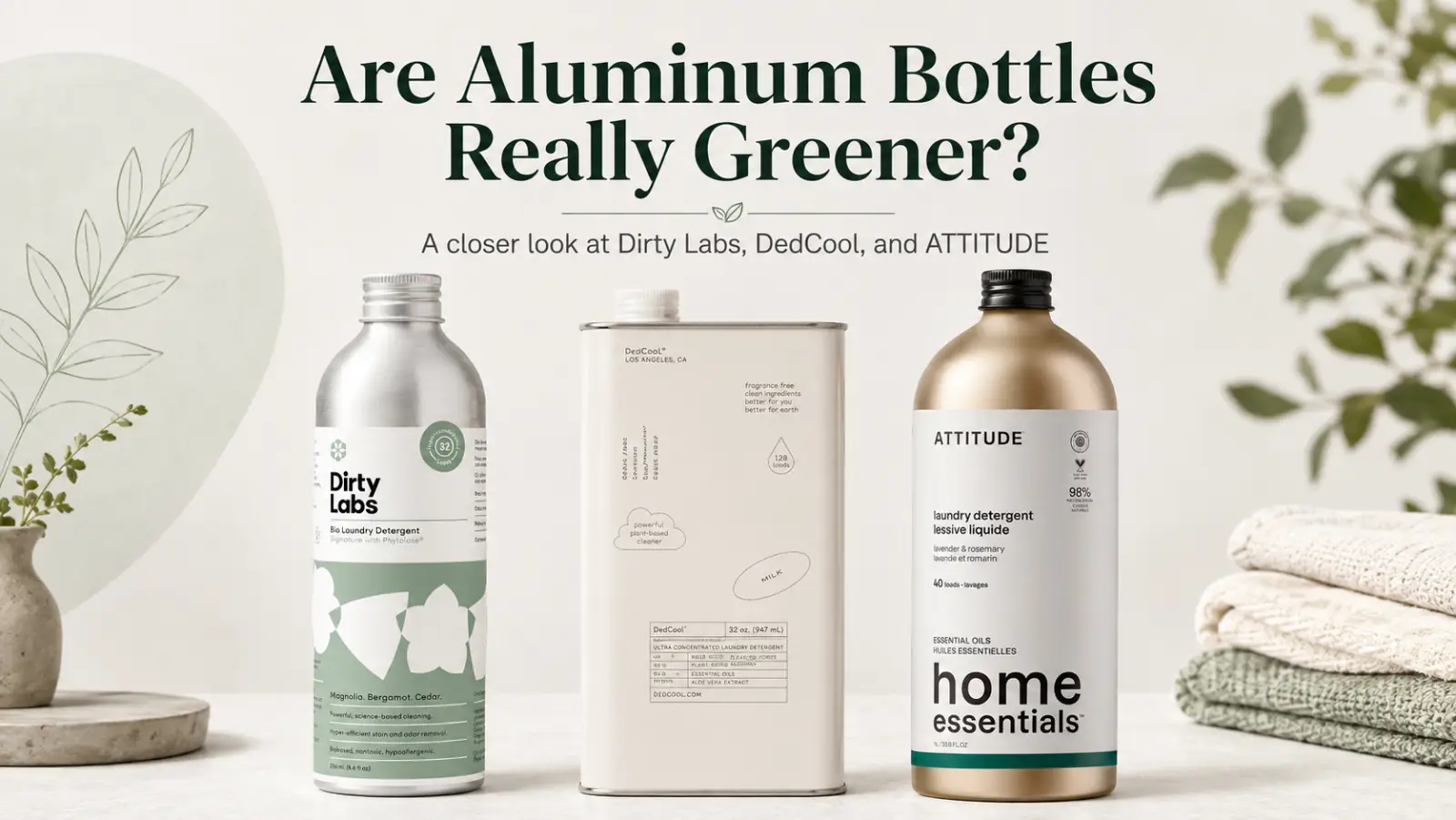
There are already recognizable examples in the laundry and home-care category. Dirty Labs packages its concentrated laundry detergent in recyclable aluminum and cardboard. DedCool’s Dedtergent comes in an aluminum tin that the brand says is meant to be refilled and recycled. ATTITUDE has also offered refillable aluminum home-care packaging.
These are not careless packaging choices. Concentrated formulas, refills, and recycled metal can make a real difference.
But the important question is not simply:
“Is aluminum recyclable?”
It clearly is. The better question is:
“How much environmental impact was created before that aluminum bottle ever reached your laundry room?”
The Biggest Footprint Happens Long Before the Bottle Looks Like a Bottle
When people picture the environmental footprint of an aluminum bottle, they often imagine a factory stamping a sheet of metal into a container.
That is only the final step.
Before an aluminum bottle exists, aluminum generally has to move through a much longer chain:
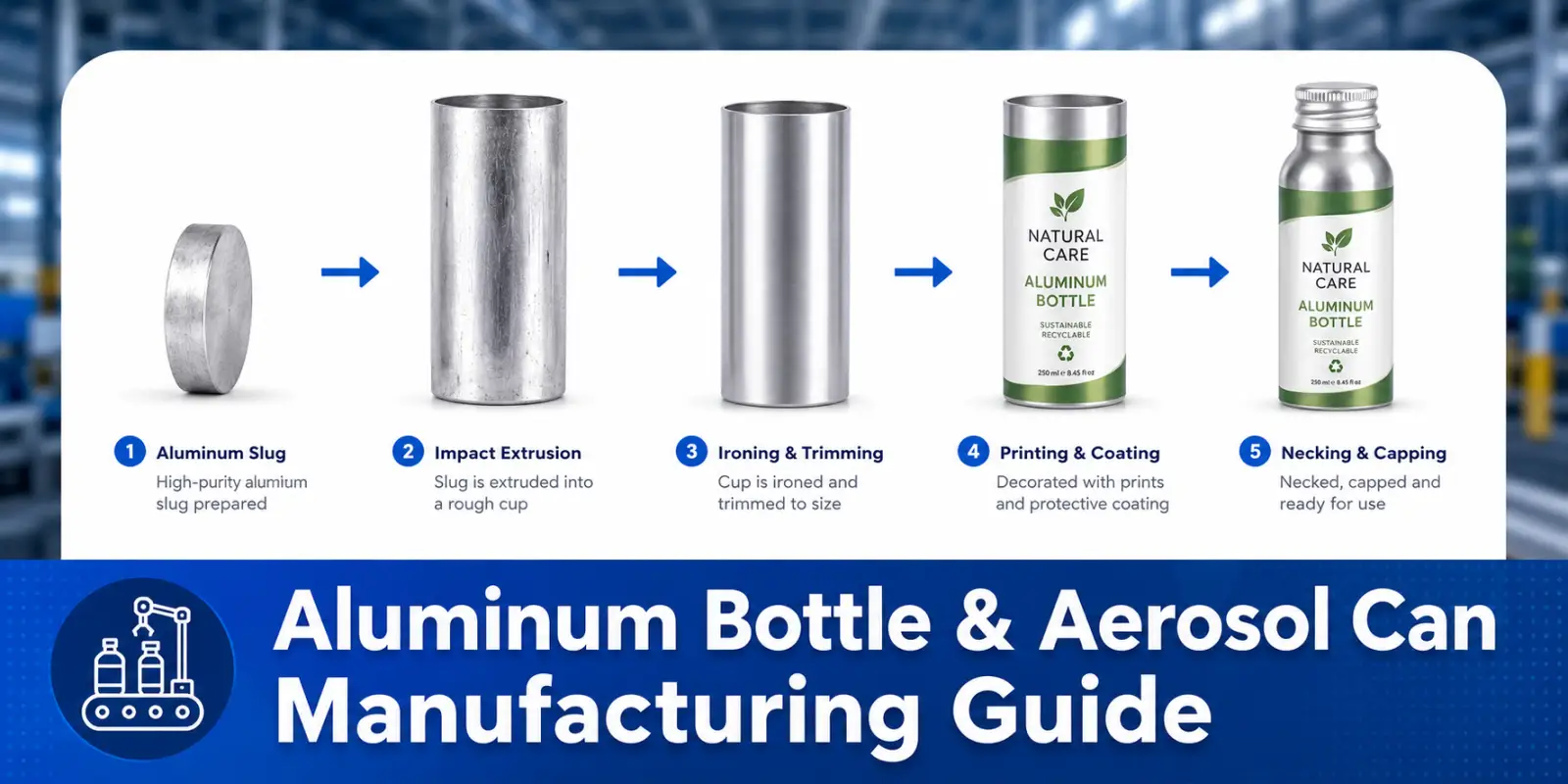
Bauxite mining → alumina refining → aluminum electrolysis → rolling and processing → bottle manufacturing.
Primary aluminum starts with bauxite ore. The ore is refined into alumina, and then a massive electric current is used to turn alumina into raw aluminum. Only after that can the metal be cast, rolled, coated, and shaped into packaging.
The U.S. Department of Energy estimates that aluminum-sector emissions come roughly from 52% electricity, 31% heat generation, and 17% process emissions. So it is more accurate to call aluminum a highly energy-intensive industry than to simply say that “making an aluminum bottle uses a lot of gas.” The energy demand is built into the supply chain from start to finish.
And carbon dioxide is not the only concern. The U.S. Environmental Protection Agency identifies primary aluminum production as a source of perfluorocarbon gases, or PFCs. These greenhouse gases can be extremely powerful and can remain in the atmosphere for a very long time.
Aluminum is useful, durable, and highly recyclable. None of that changes the fact that making a brand-new bottle from mined material carries a serious upfront environmental bill.
Aluminum Starts With Mining — and Refining Waste
Before aluminum becomes a clean-looking metal bottle, bauxite has to be mined and processed. Alumina refining uses high-temperature chemical processing and creates large quantities of alkaline residue, commonly known as red mud.
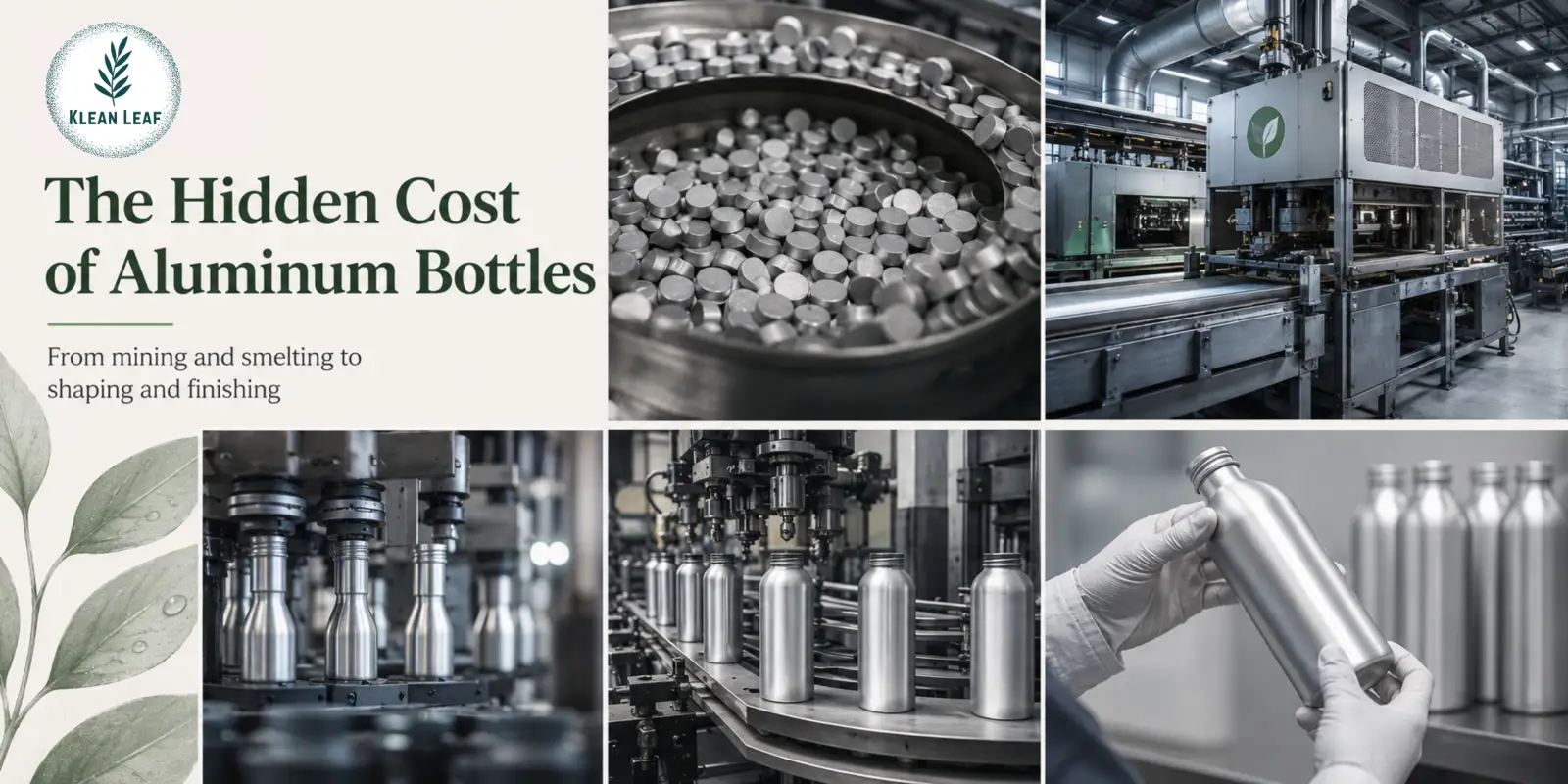
This residue has to be carefully contained and managed. It is one more reminder that the environmental story of aluminum starts well before the attractive package reaches a shelf.
That does not mean aluminum should never be used. It means “plastic-free” does not mean “impact-free.”
Why Lightweight HDPE Plastic Can Sometimes Look Better on Paper
Most traditional liquid laundry detergent jugs are made from HDPE, or high-density polyethylene. Plastic has obvious disadvantages, especially when it becomes single-use waste or escapes recycling systems.
But HDPE has one advantage that is easy to overlook: it is very light, and blow-molding a strong bottle does not require a large amount of material.
That lightness matters. A lighter package usually means less material at the factory and less weight moving through warehouses, trucks, fulfillment centers, and homes.
Peer-reviewed life-cycle studies of consumer packaging have found that lightweight plastic can outperform heavier alternatives across several environmental measures. A separate study focused on liquid laundry detergent packaging found that the conventional HDPE pourable bottle had lower impacts than the other formats studied in most categories.
These studies do not prove that every HDPE bottle is better than every aluminum bottle. They do prove a more useful point: material names alone cannot tell us the full environmental story.
Sometimes replacing a light, recyclable plastic bottle with a heavy, energy-intensive metal one is not an upgrade. Sometimes it is a downgrade wearing nicer clothes.
And What About Glass?
Glass feels natural. It is reusable. It is recyclable. It also avoids plastic.
But producing glass requires high-temperature furnaces, and glass bottles are generally much heavier than lightweight plastic bottles. That extra weight has to move through the same supply chain before it reaches a consumer.
If a glass bottle is used once, the transportation burden can offset some of the benefit people associate with the material. Glass has a stronger sustainability case when the same container is actually refilled and reused many times, the refill route is efficient, and the collection or washing system really exists.
Simply replacing a single-use plastic jug with a single-use glass bottle does not automatically create a lower-carbon product.
Recycled Aluminum Changes the Equation
There is an important reason aluminum can still make a lot of environmental sense: recycling.
Producing recycled aluminum generally requires far less energy than producing virgin aluminum from mined bauxite. A bottle made with a high share of recycled aluminum and reused again and again has a very different environmental profile from a brand-new virgin aluminum bottle used once and thrown away.
This is why refill systems matter so much. Aluminum’s sustainability advantage is not simply “it is not plastic.” The stronger story is:
Recycled content plus long-term reuse.
A refillable aluminum bottle that stays in a home for a year can be a genuinely thoughtful choice. A single-use virgin aluminum bottle can carry a much heavier footprint, no matter how premium it looks.
The Real Elephant in the Laundry Room: Shipping Water
Here is the question the packaging debate often skips:
Why are we shipping so much water in the first place?
A jug of liquid detergent is mostly water. That water has to be bottled, boxed, stored, trucked, lifted, and delivered — all to move a relatively small amount of cleaning ingredients from the factory to the washing machine.
Concentrated and waterless formats approach the problem differently. Less water means lighter shipments, smaller packages, and less storage space at once.
This is where laundry detergent sheets become interesting. They do not just replace plastic with another bottle material. They can remove the rigid bottle from the format altogether.
Why Laundry Sheets Often Have the Lightest Packaging Footprint
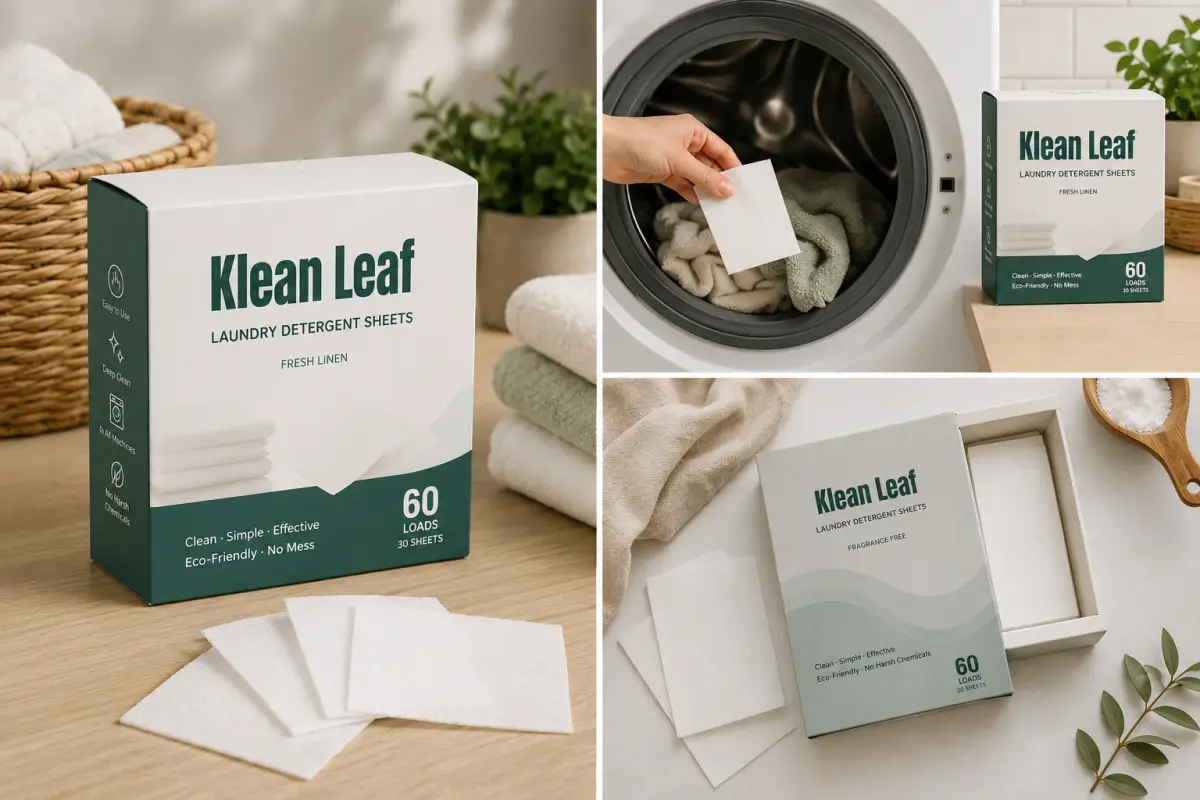
A concentrated laundry sheet can be packed in a lightweight paper box, paper sleeve, or other low-material format. There is no large bottle to manufacture, and brands are not shipping a full container of water from a factory to a warehouse, retailer, or customer.
When the comparison is based on the same number of washes, laundry sheets can reduce packaging material, shipping weight, and warehouse volume. In many single-use packaging scenarios, that gives them a lower packaging and logistics burden than aluminum bottles and traditional HDPE liquid detergent jugs.
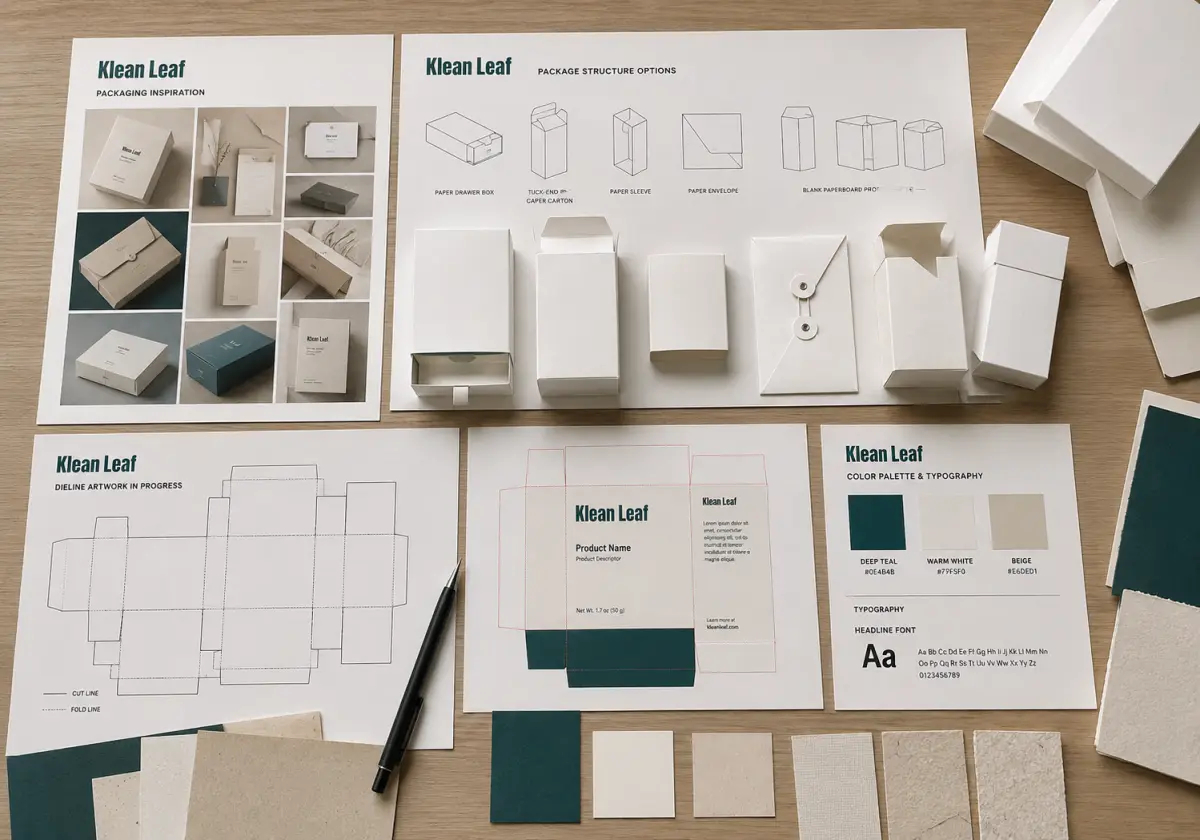
Of course, laundry sheets do not receive an automatic environmental pass either. Brands should still ask how much active cleaning material each sheet contains, whether consumers tend to use extra sheets, whether the paper package has a plastic lining, how the product is protected from moisture, and what the formula contains.
A Directional Ranking: Aluminum, Plastic, or Laundry Sheets?
There is no universal carbon number for every product. Bottle weight, recycled content, manufacturing location, transportation distance, detergent concentration, washing performance, refill behavior, and end-of-life all matter.
But if cleaning performance is broadly comparable and we are looking at common one-time packaging, the directional ranking is often:
- Single-use virgin aluminum bottle: usually the heaviest upfront burden because of mining, energy-intensive production, processing, and bottle weight.
- HDPE plastic bottle: still creates persistent plastic waste, but its low material use and light shipping weight can keep production and transportation impacts lower than people expect.
- Laundry detergent sheet in paper-based packaging: often the lightest packaging and logistics footprint because it avoids a rigid bottle and removes most of the water.
This is a useful design direction, not a substitute for a product-level life-cycle assessment. A refillable recycled-aluminum bottle can outperform a single-use virgin-aluminum bottle by a wide margin. A poorly designed laundry sheet with excessive packaging or poor cleaning performance may not deliver the expected benefit.
The bigger lesson is simple: sustainability should be about using less, not just replacing one disposable material with another.
What About PVA in Laundry Detergent Sheets?
If you have read about laundry sheets or detergent pods, you may have seen PVA — also written as PVOH — called a “hidden microplastic.” The science is more complicated than that.
PVA is a water-soluble synthetic polymer used in some detergent films and laundry sheet formulations. It can help provide sheet strength, hold a formula together, or help the product disperse in water.
But a synthetic polymer is not automatically a microplastic. Microplastics are generally understood as small, solid, water-insoluble plastic particles. Detergent-grade PVA is designed to dissolve in water, which makes it different from persistent solid plastic fragments.
Current scientific and regulatory sources do not establish that detergent-grade PVA automatically becomes conventional microplastic pollution. A peer-reviewed study on PVA film used in detergent capsules concluded that its water solubility and biodegradability place this type of film outside the usual scope of microplastics. The U.S. EPA has also denied a petition seeking additional PVA testing, stating that the petitioners had not shown existing information was insufficient.
At the same time, “dissolves” is not the same as “we never need to ask questions again.” Researchers are still studying how different PVA grades behave under different wastewater treatment conditions. The responsible position is not “PVA has no environmental concerns,” and it is not “PVA is proven microplastic.” It is:
There is currently no professional consensus proving that detergent-grade PVA becomes microplastics, but its exact grade, formula, dissolving behavior, and wastewater fate still deserve clear evidence.
For brands that want to reduce uncertainty, it is reasonable to ask suppliers about the complete formula, PVA content, dissolving tests, stability testing, and available PVA-free laundry sheet options.

What “Actually Greener” Looks Like
It is easy to design packaging that looks sustainable: matte paper, minimal printing, a metal bottle, a glass jar, or a recycling symbol.
But sustainability is not an aesthetic. It is a life-cycle question.
- Waterless or highly concentrated: so the brand is not shipping and storing unnecessary water.
- Lightweight and low-material: so less material is produced and moved.
- Recycled content and real reuse: especially when the package is made from energy-intensive material.
- Effective cleaning at the correct dose: because needing extra product or hotter washes can erase expected savings.
- Clear formula choices: including lower-PVA or PVA-free options where the product and performance requirements allow.
A shiny aluminum bottle can be part of a good sustainability story. But only when it is paired with recycled metal, refills, and a concentrated formula. On its own, “we got rid of plastic” is a marketing line, not a life-cycle result.
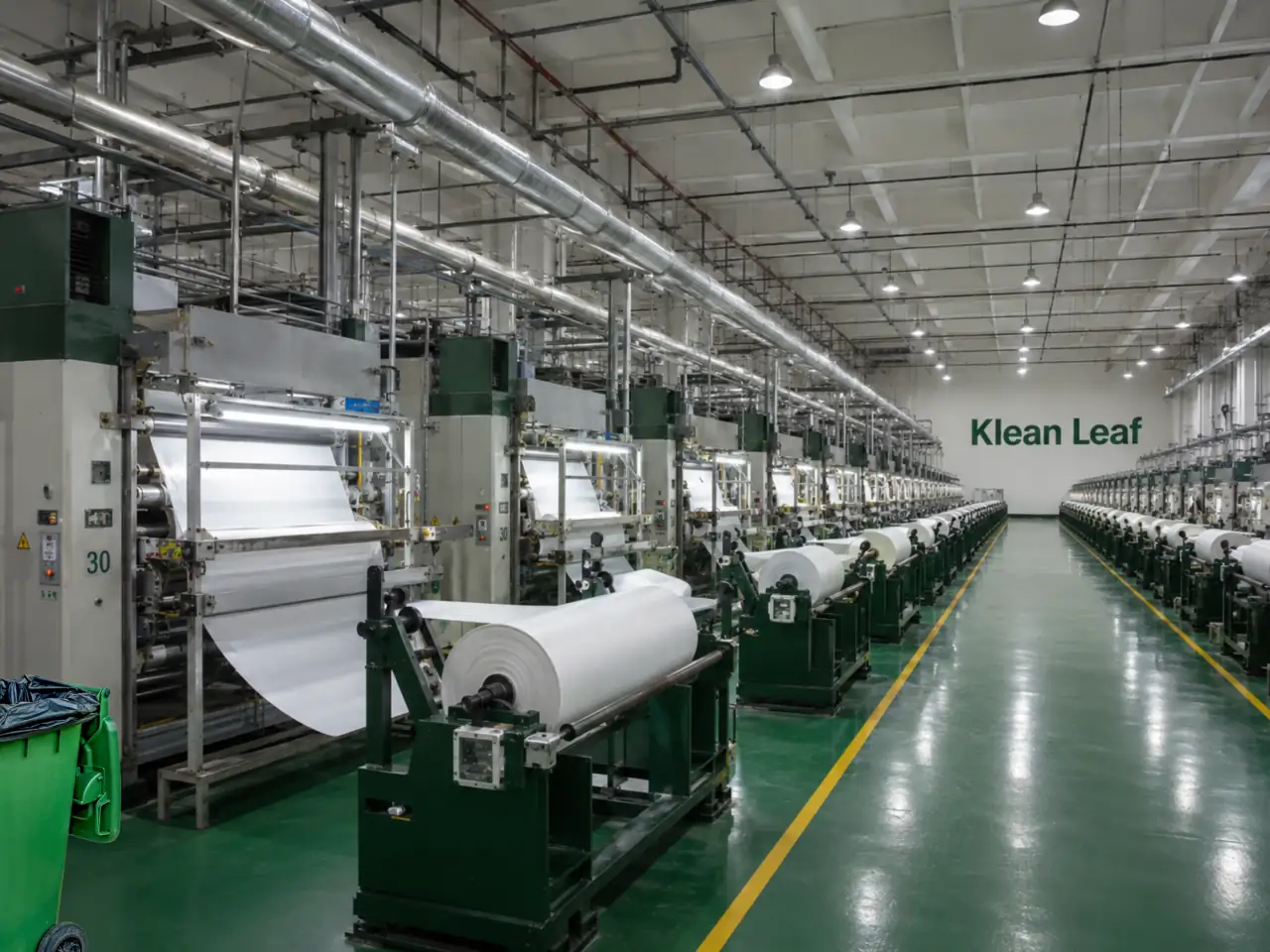
At Klean Leaf, We Believe Less Packaging Is Better Packaging
The future of sustainable laundry should not simply be about finding a more attractive material for a detergent bottle. It should be about reducing how much needs to be manufactured, packaged, shipped, stored, and thrown away in the first place.
That is one reason concentrated laundry detergent sheets are so compelling. They do not require a large plastic jug. They do not require a heavy glass bottle. They do not require a newly manufactured aluminum container just to deliver detergent to the washing machine.
For brands developing private label laundry detergent sheets, formula, packaging, moisture protection, transportation, dosing, and consumer instructions should be evaluated as one connected project.
Sometimes the most sustainable bottle is not an aluminum bottle or a plastic bottle. It is no bottle at all.
Because real sustainability is not about what your packaging is not. It is about how little the whole product takes from the planet to get the job done.
Sources
- U.S. Department of Energy: Industrial Decarbonization, including the aluminum sector’s electricity, heat, and process-emission breakdown.
- U.S. EPA: Aluminum Industry, covering primary aluminum production, smelting, and PFC emissions.
- Comparative Life Cycle Assessment of Multiple Liquid Laundry Detergent Packaging Formats, comparing the life-cycle impacts of different liquid laundry detergent packages.
- Biodegradability of Polyvinyl Alcohol Based Film Used for Liquid Detergent Capsules, discussing the water solubility and biodegradability of detergent-grade PVA film.
- U.S. EPA: TSCA Section 21, documenting the EPA’s response to a petition concerning PVA in laundry and dishwashing products.
Frequently Asked Questions
Are aluminum bottles always more eco-friendly than plastic bottles?
Not always. Aluminum can reduce plastic use, but primary aluminum production is highly energy-intensive. The result depends on recycled content, bottle weight, refill cycles, transportation, and recycling.
Are glass bottles automatically more sustainable than aluminum or plastic?
Not automatically. Glass can be recycled or reused, but it is usually heavier and more fragile. It may perform better when it is genuinely reused many times and supported by an efficient refill and recovery system.
Why can laundry sheets have a lower packaging and shipping burden?
Laundry sheets remove most of the water found in liquid detergent. They are lighter and thinner, and they can use paper boxes or paper bags, so packaging and transportation can require fewer resources for the same number of washes.
Is PVA a microplastic?
There is currently no professional evidence proving that detergent-grade PVA automatically becomes microplastics. PVA is a water-soluble synthetic polymer, but its grade, formula, dissolving behavior, and wastewater conditions still deserve clear evidence.
How should brands compare laundry packaging options?
Compare packaging per wash rather than by material name alone. Review recycled content, package weight, transportation, refill use, local recovery, product concentration, and the amount consumers actually use.
Review Laundry Sheet Formula and Packaging Options
Compare standard and PVA-free sheet directions while evaluating the full product and packaging brief.