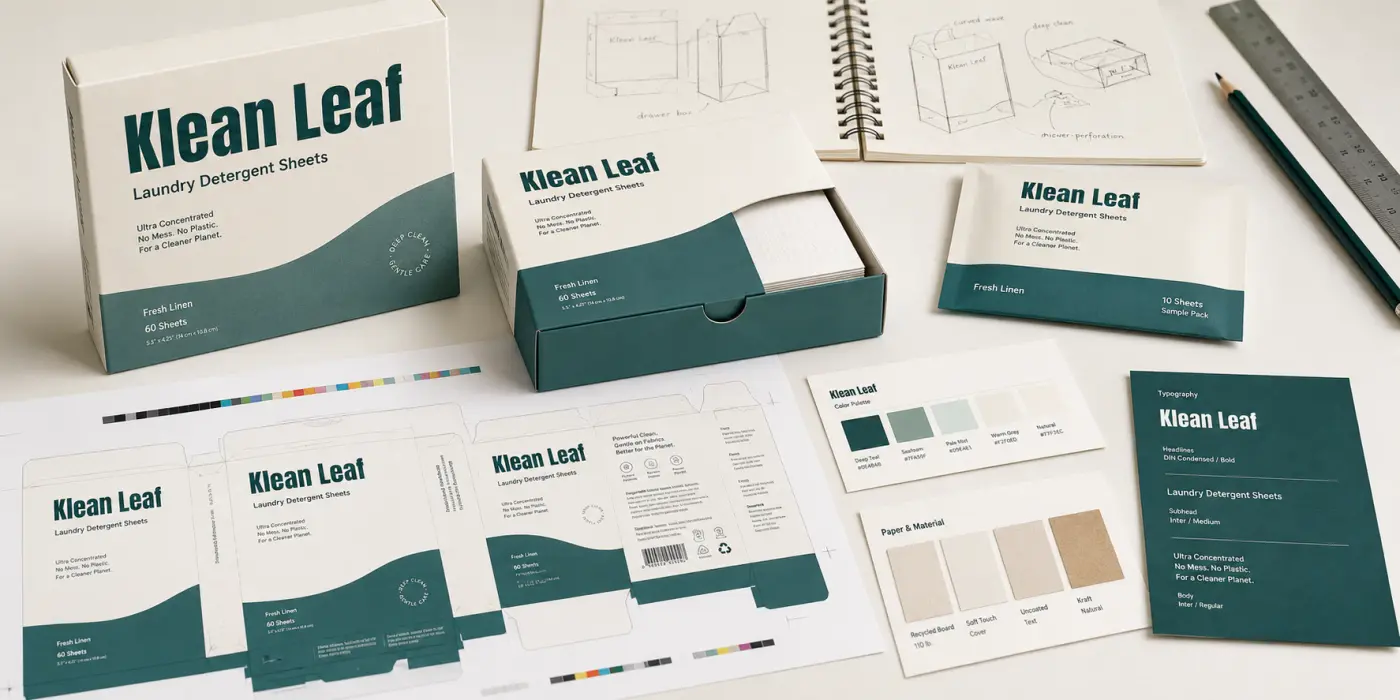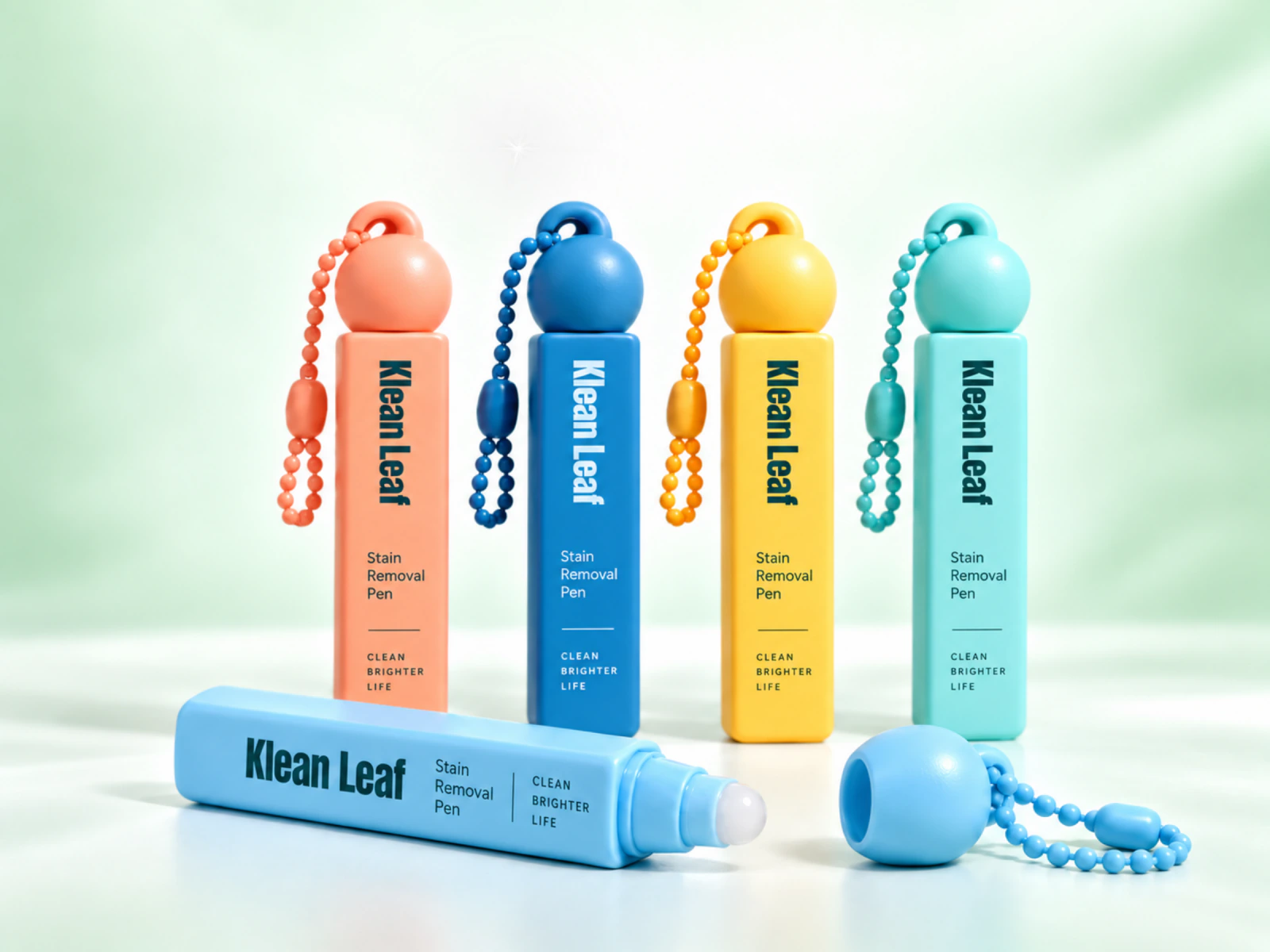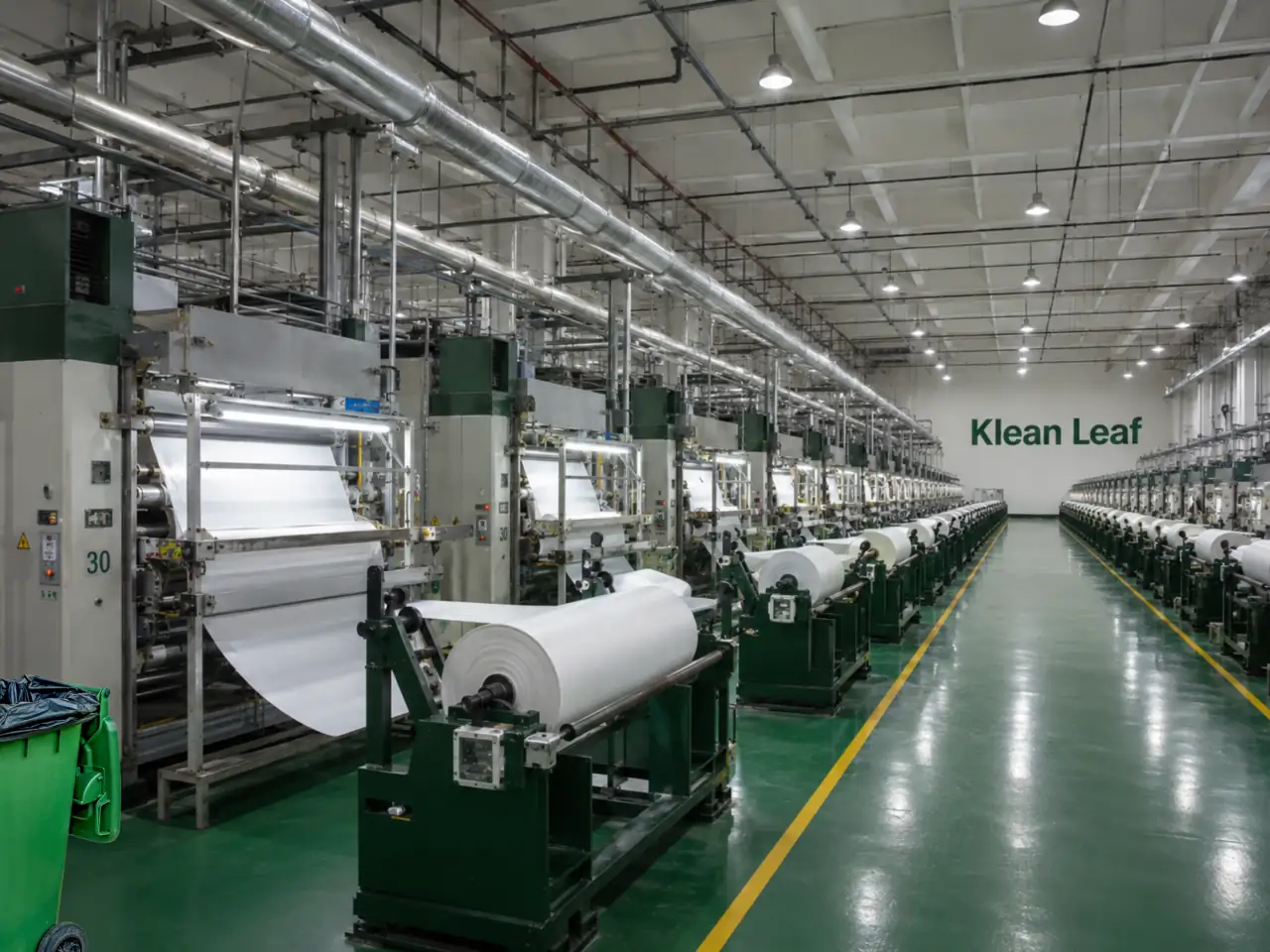
Choosing a laundry detergent sheet manufacturer means making three connected decisions: whose formula will carry your brand, whose factory your reorders will depend on, and whose paperwork your retail buyer may request.
This guide compares seven manufacturers by location, MOQ, customization, documentation, and buyer fit. It is a sourcing guide for private label buyers—not a consumer product ranking—and price per sheet alone does not determine the best partner.
Disclosure: Klean Leaf is included below and has a commercial interest. We have not audited or laboratory-tested the other companies. Treat supplier claims as a starting point and verify quotations, samples, certificates, and contracts before ordering.
Quick Comparison: Laundry Detergent Sheet Manufacturers to Evaluate
| Manufacturer | Production or support location | Best fit | Publicly stated differentiator |
|---|---|---|---|
| Klean Leaf | China production; Columbus, Ohio buyer support | North American startups, growing brands, retailers, distributors, and refill programs | MOQ starts at 1,000 retail package units per SKU; formula, fragrance, packaging, sample, and logistics support |
| Dizolve | Moncton, New Brunswick, Canada | Established brands prioritizing North American manufacturing and scale | White label, private label, custom formula, scent, sheet size, and packaging; 24/7 facility |
| Laundry Sheets Production / EatGreen | Slovakia, European Union | EU pilot programs and brands that want regional production | Private label and contract production; public case study describes a 2,000-unit launch |
| Great Factory Sweden | Sweden, European Union | Higher-volume buyers prioritizing Swedish production | Private label customization; publicly states capacity above 10 million sheets per month |
| Finice / Guangzhou Joyson | China | Buyers consolidating laundry sheets, dryer sheets, and scent boosters | Broad OEM/ODM laundry-care range and public factory/certification materials |
| M.crystal | Foshan, China | Higher-volume OEM/ODM programs needing detailed format customization | Formula, fragrance, color, shape, function, and packaging customization; 100,000-sheet MOQ stated |
| E-Strip Solutions | Ahmedabad, India | India-focused buyers and multi-category cleaning-sheet programs | Laundry, floor, dishwasher, and other dissolvable cleaning-sheet formats |
Important: “Unit” does not mean the same thing on every supplier website. It may refer to one sheet, one retail box, one pouch, or one shipping case. Before comparing MOQ or price, normalize every quote to the same number of retail packages, sheets per package, loads per package, and delivered destination.
How We Built This 2026 Manufacturer Shortlist
We selected companies whose public websites describe both detergent-sheet capability and B2B manufacturing, private label, white label, OEM, ODM, or contract production. Inclusion is not an endorsement: verify the legal manufacturer, production address, formula-specific documents, representative samples, batch controls, and complete quotation.
What Changed for Private Label Buyers in 2026?
1. PVA Became a Procurement and Documentation Question
PVA/PVOH remains common in detergent sheets, but buyers increasingly ask what grade and amount a formula uses and what the evidence covers. New York City’s proposed Introduction 35 of 2024 did not become law, while the EPA’s denial of a related TSCA petition was not a blanket safety finding for every grade or formula. Ask for specifications and test context, including low-PVA or PVA-free options when relevant.
2. Performance Evidence Matters More Than Broad Eco Language
Lightweight shipping and plastic-free outer packaging do not prove cleaning performance or the environmental profile of a formula. Connect each claim to suitable evidence: wash tests for performance, a named method and formula for biodegradability, and material specifications for packaging claims. The FTC Green Guides remain a useful U.S. baseline.
3. EU Compliance Planning Now Extends Beyond the Next Purchase Order
Regulation (EU) 2026/405 entered into force on March 22, 2026 but generally applies from September 23, 2029. EU-focused buyers can use current sourcing cycles to prepare product data, traceability, labels, digital product passports, and economic-operator responsibilities.
1. Klean Leaf — Best Fit for Flexible North American Private Label Programs
Best for: North American startups and growing brands seeking a lower retail-package MOQ and guided launch support.
Klean Leaf combines a Columbus, Ohio client-support team with production in China, providing Eastern Time communication without presenting the product as U.S.-made.
Review our Laundry Detergent Sheets when defining the product and packaging brief for a Klean Leaf quotation.
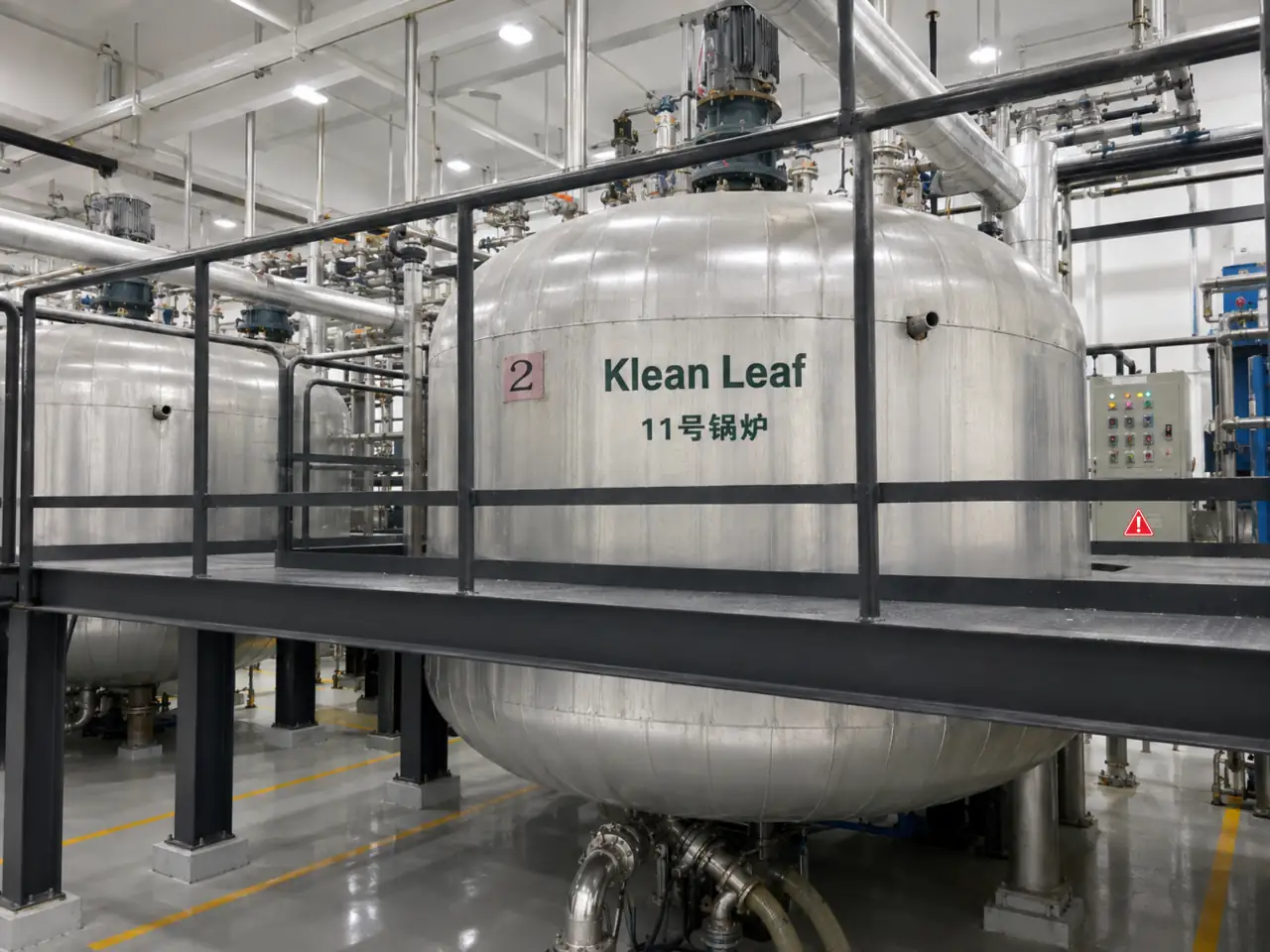
Retail-packed programs start at 1,000 packages per SKU and can include scented or fragrance-free formulas, enzyme laundry sheet options, low-PVA or PVA-free development, perforated formats, custom packaging, and bulk refill cartons. PVA-free sheets have a separate MOQ of 150,000 individual sheets per SKU. Typical first-order production is 45–60 days after approvals, subject to the final specification and capacity. Review the packaging process, then confirm the formula, documents, golden sample, inspection plan, Incoterm, and lead time in writing.
2. Dizolve — Best for Canadian Production and North American Scale
Best for: established brands prioritizing Canadian production and scalable capacity.
Dizolve manufactures dissolvable cleaning sheets in Moncton, New Brunswick. It offers white label and private label programs with custom formulas, scents, sizes, formats, and packaging; its manufacturing page describes a 24/7 facility. Confirm the project MOQ, annual commitment, fees, formula ownership, production slot, documents, lead time, and delivered cost because a universal MOQ is not published.
3. Laundry Sheets Production / EatGreen — Best for EU Pilot-to-Scale Programs
Best for: EU startups and retailers seeking regional pilot-to-scale production.
Laundry Sheets Production, operated by EatGreen s.r.o., says it manufactures in Slovakia and supports private label, contract production, custom formulation, sizing, fragrance, and packaging. Public material describes a 2,000-unit launch, but customized programs may require more. Confirm whether MOQ means sheets or retail packages, plus formula ownership, certification scope, local-language support, allergen disclosure, and delivery terms.
4. Great Factory Sweden — Best for Higher-Volume Swedish Production
Best for: higher-volume European programs prioritizing Swedish production.
Great Factory Sweden presents itself as a Swedish private label manufacturer offering customization and samples, with stated capacity above 10 million sheets per month. Headline capacity is not guaranteed availability for a new customer. Confirm MOQ, reserved capacity, lead time, formula and packaging options, batch documents, references, and whether each published metric means sheets or retail units.
5. Finice / Guangzhou Joyson — Best for a Broad China-Based Laundry-Care Range
Best for: buyers sourcing laundry sheets alongside dryer sheets or scent boosters.
Finice, the public-facing brand of Guangzhou Joyson Cleaning Products Co., Ltd., advertises OEM/ODM formulas, packaging, samples, and global shipping across several laundry-care formats. One laundry-sheet page lists a 5,000-box MOQ and four-to-six-week lead time, but do not apply that figure to every configuration. Verify the producing entity, current certificate scope and dates, project MOQ, change control, sample equivalence, inspection rights, and delivery terms.
6. M.crystal — Best for Higher-Volume Format and Formula Customization
Best for: larger OEM/ODM programs needing detailed formula and format customization.
M.crystal publicly offers production in Foshan, China with formula, fragrance, package, function, color, and shape options. Its product page states a 100,000-sheet starting MOQ and supplier-planning lead times, not guarantees for every custom order. Convert the sheet minimum into finished packages and confirm the production entity, documents, tooling costs, tolerances, inspection rights, and Incoterm.
7. E-Strip Solutions — Best for India and Multi-Category Cleaning Sheets
Best for: India-focused buyers and multi-category cleaning-sheet ranges.
E-Strip Solutions presents itself as an Ahmedabad manufacturer offering private label, white label, bulk, institutional, and export supply across laundry, floor, dishwasher, and other sheet formats. Its website shows a starting quantity without consistently defining the unit. Confirm MOQ per SKU and retail package, capacity, export history, current certificates, formula-specific documents, labels, and evidence for performance or environmental claims.
What Makes a Good Laundry Detergent Sheet Manufacturer?
A reliable supplier should turn your brief into a repeatable, documented product—not just send an attractive sample. Use these eight checks.
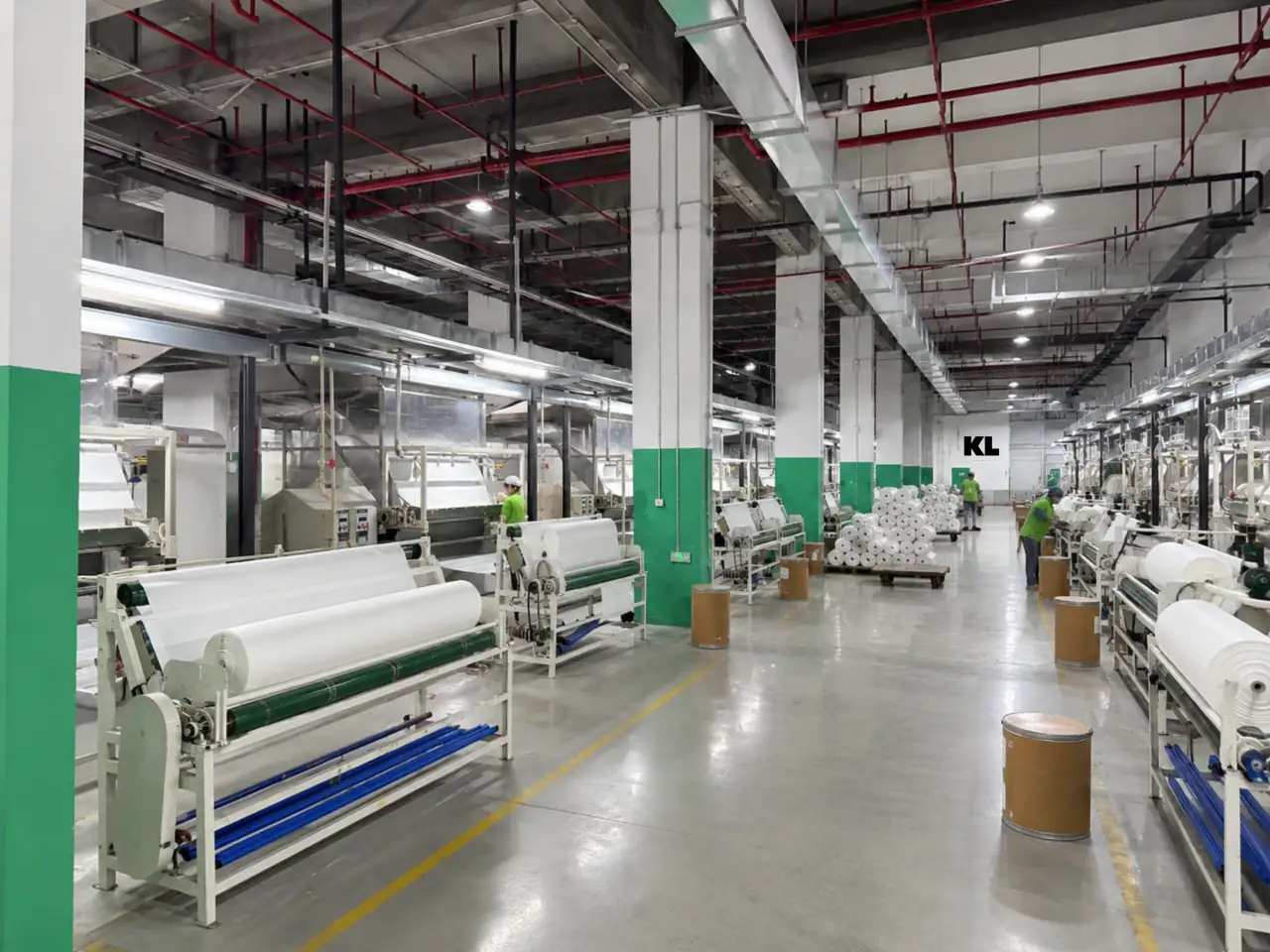
1. Performance Under Your Real Wash Conditions
Test the proposed dose in cold and hard water, target machines, and representative loads and soils. Record dissolution, residue, stain and odor removal, dry-fabric fragrance, and sheet strength. Use three sample gates:
- Stock: screen the supplier’s baseline quality.
- Custom: test your selected formula, scent, dose, and format.
- Golden: approve the final product and package against measurable specifications.
2. An MOQ You Can Compare Correctly
Ask for each minimum separately:
- Formula MOQ: one formula or fragrance batch.
- Converting MOQ: one forming, cutting, or perforating run.
- Packaging MOQ: one print, material, or artwork run.
- SKU MOQ: one finished formula, scent, count, language, and artwork combination.
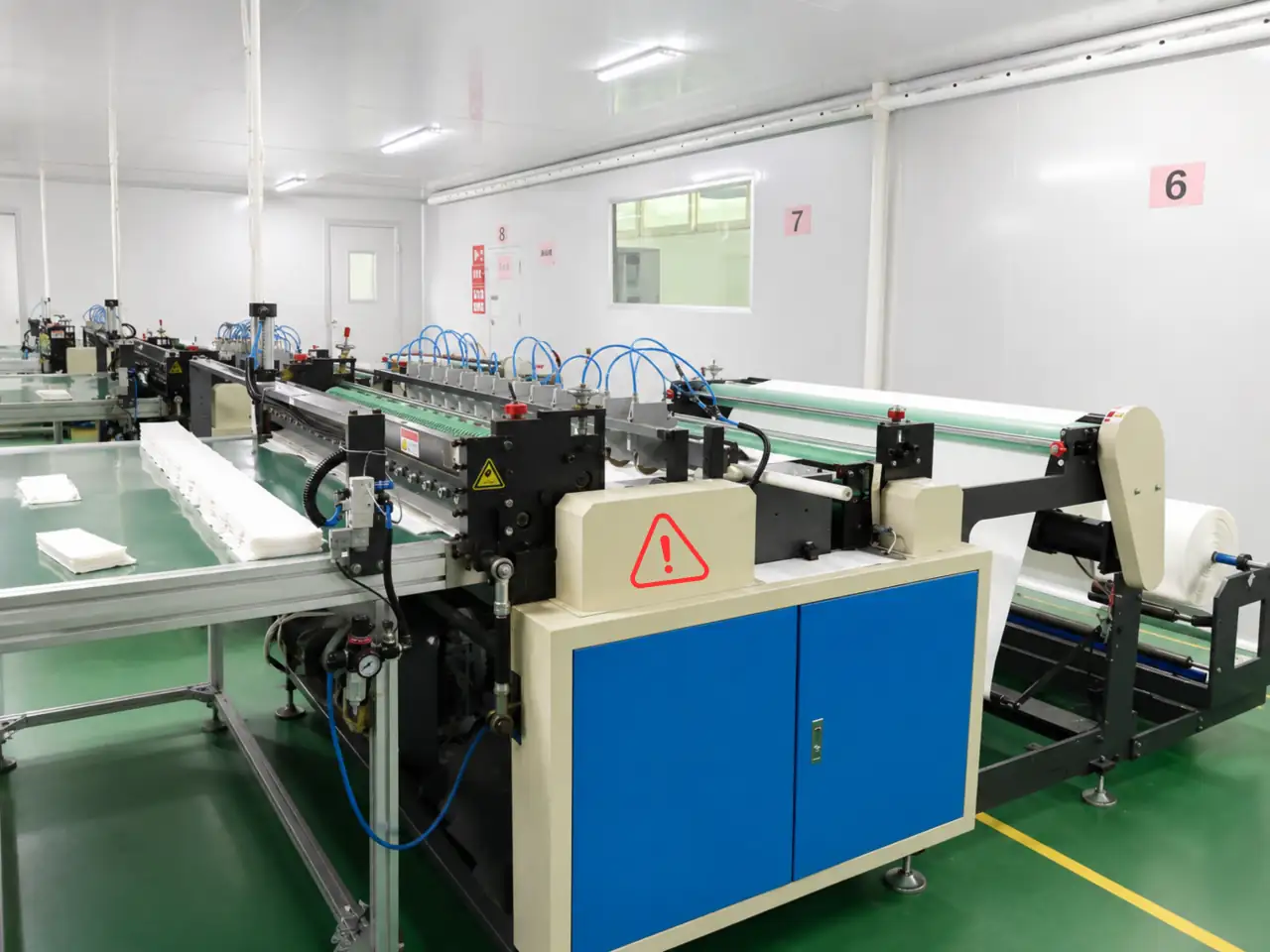
Convert every figure into sheets, finished packages, and cases. Ask which MOQ controls the order and which formula, scent, count, language, or artwork changes trigger another minimum.
3. Clear White Label, Private Label, OEM, and ODM Boundaries
- White label: a stock product with your branding.
- Private label: selected product and packaging options under your brand.
- OEM: production against an agreed specification.
- ODM/custom: deeper product development with more testing and commitment.
Suppliers use these terms differently, so put the exact specification and ownership rights in writing.
4. Formula-Specific Quality and Compliance Documents
Request formula-specific SDS, ingredients, specifications, batch-release criteria, stability and package-compatibility evidence, and applicable test reports. Match documents to the formula code; match facility certificates to the legal entity, address, scope, and validity. An SDS covers hazard communication, OECD 301B is a biodegradability test method, ISO 9001 concerns a quality-management system, and ISO 22716 is cosmetics GMP guidance whose relevance must be checked. None alone proves cleaning performance.
5. Claims and Label Support for the Destination Market
In the U.S., a detergent meeting the definition of a hazardous substance may need labeling under the FHSA, while environmental claims need evidence under the FTC Green Guides. EPA Safer Choice is voluntary and product-specific; supplier experience does not certify your formula. For EU sales, review the current Detergents Regulation, classification, language, disclosure, and applicable poison-centre/UFI duties. Claims such as “sanitizes” or “disinfects” may trigger FIFRA. Generic “FDA,” “CE,” “SGS,” or “lab tested” badges are not sufficient evidence.
This guide provides procurement information, not legal advice. Confirm market-specific obligations with a qualified regulatory professional.
6. Packaging That Protects the Sheet
Test the finished product in its final package. Confirm moisture protection, sealing, count accuracy, transit strength, package compatibility, and shelf-life evidence.
7. Batch Control and Change Management
Define measurable tolerances, batch-release checks, traceability, retention samples, defect handling, and written approval for formula or supplier changes.
8. Landed Cost and Supply-Chain Fit
Compare delivered cost, including packaging, tooling, testing, inspection, freight, duty, brokerage, and likely defects—not just ex-factory sheet price. Confirm the Incoterm, named place, carton dimensions, and pallet configuration before comparing quotes.
20-Question Private Label RFQ Checklist
Send the same 20 questions to every shortlisted manufacturer. The quality and specificity of the replies will usually sort the shortlist faster than a polished sales deck.
Product and Sample
- Who is the legal manufacturer, and at which address will our product be formulated, converted, and packed?
- Is the proposed product white label, private label, OEM, or fully custom—and exactly which elements can we change?
- Under an NDA if needed, what formula and ingredient information can you provide for safety, regulatory, and claims review?
- How do you define and calculate the proposed PVA/PVOH direction, what evidence applies, and can you develop low-PVA or PVA-free alternatives?
- Which enzymes or other performance components are included, and which wash conditions or soils are they intended to address?
- What are the sheet dimensions, weight, tolerance, perforation, recommended dose, and sheets or loads per package?
- What stock, custom, and pre-production samples will we receive, what does each cost, and how is the golden sample approved?
MOQ and Commercial Terms
- What are the separate formula, packaging, and finished-SKU MOQs, and which changes create a new minimum?
- What are the unit prices at three volume tiers, stated per finished retail package with sheet count and Incoterm?
- Which tooling, plates, development, testing, sampling, inspection, export, freight, or other costs are excluded?
- What payment terms, deposit, balance trigger, quote-validity period, and currency assumptions apply?
- Who owns the custom formula, fragrance, artwork, tooling, and test data, and are any elements exclusive?
Quality, Documents, and Claims
- Which formula-specific SDS, ingredient, specification, test, stability, and packaging-compatibility documents can you provide?
- Which facility certificates or social-audit reports are current, and do the legal entity, address, scope, and validity dates match our production site?
- What batch-release tests, tolerances, COA data, traceability records, and retention samples will apply to each shipment?
- Which label requirements and marketing claims can you support for our destination country and sales channel, and with what evidence?
Packaging, Timing, and Delivery
- What package structure, moisture barrier, seal method, dieline, print method, finishes, coding, and barcode placement are proposed?
- What are the units per case, case dimensions and weight, pallet pattern, freight assumptions, named delivery location, and shipping options?
- What are the realistic first-run and reorder lead times, key approval deadlines, reserved-capacity terms, and change-control process?
- What inspection rights, defect definitions, acceptance criteria, remedies, and claims process will be written into the agreement?
For a detailed launch sequence, use Klean Leaf’s guide to starting a private label laundry detergent sheets brand and the separate packaging and label requirements checklist.
Red Flags When Vetting a Laundry Sheet Supplier
- The company will not identify the legal manufacturer or actual production address.
- MOQ is quoted without defining whether it means sheets, pouches, boxes, cases, or each SKU.
- Certificates are cropped, expired, unverifiable, or issued to a different entity or facility.
- An SDS or test report does not match the proposed formula code and fragrance.
- The supplier promises “100% biodegradable,” “chemical-free,” “non-toxic,” or universal regulatory approval without claim-specific evidence.
- The production sample can change after approval, but there is no written change-control process.
- The price omits printing, tooling, testing, inspection, export, or freight costs.
- Country of origin, packing location, and shipping origin are described as if they were the same thing.
- The contract has no specification, inspection standard, remedy for defects, or ownership terms for custom work.
Which Manufacturer Is Best for Your Business?
- North American launch with a lower retail-package entry point: start with Klean Leaf and compare the complete delivered program, not only sheet cost.
- Canadian or higher-scale North American production: qualify Dizolve and ask for a volume-specific white label or private label proposal.
- EU-based pilot or regional supply: compare EatGreen in Slovakia with Great Factory Sweden, matching each supplier to your starting volume and customization needs.
- India or a multi-category dissolvable-sheet range: qualify E-Strip Solutions.
- Broad China-based laundry-care sourcing: compare Klean Leaf, Finice, and M.crystal, with facility-specific documentation and inspection terms.
Shortlist two or three candidates, test samples blindly, score the commercial and compliance responses with the same rubric, and run reference and document checks before making a final decision. A supplier that answers hard questions clearly is usually more valuable than one that simply returns the lowest opening price.
Why Buyers Shortlist Klean Leaf
Klean Leaf is designed around the steps that private label buyers actually have to complete: product brief, sample comparison, formula and scent selection, packaging structure, dieline and artwork review, physical approvals, production, quality checks, and delivery planning. Our retail-packed MOQ starts at 1,000 package units per SKU, and our Columbus, Ohio team supports communication and samples for North American buyers.
We also make the supply chain clear: current laundry detergent sheet production is handled in China, not marketed as “Made in USA.” Buyers can review our explanation of how laundry sheets are made and why country-of-origin transparency matters.
If Klean Leaf fits your market, volume, and customization needs, request samples and a private label quote. Share your destination market, target formula, scent, sheet count, packaging preference, first-order quantity, and launch date so our team can recommend the most realistic next step.
Final Takeaway
The best laundry detergent sheet manufacturer in 2026 is not the company with the longest list of badges or the cheapest price per sheet. It is the partner that can prove the right formula, documents, repeatability, packaging protection, commercial terms, and delivery plan for your market.
Send the same 20 questions to two or three qualified candidates, compare representative samples under the same wash conditions, and normalize every quote to the same finished package and delivery point. A cheap sheet backed by a vague specification becomes expensive the moment a batch, box, document, or delivery fails. Verify first; scale second.
Frequently Asked Questions
Who is the best laundry detergent sheets manufacturer for private label in 2026?
There is no universal best manufacturer. Klean Leaf is a strong fit for North American buyers seeking a 1,000-retail-package starting MOQ and coordinated formula, packaging, sample, production, and logistics support. Buyers prioritizing Canadian, EU, Indian, or Chinese production should compare the location-specific candidates in this guide.
What is a typical MOQ for private label laundry detergent sheets?
MOQ varies by supplier and must be defined carefully. Ask separately for the formula batch, sheet-converting run, printed packaging, and finished quantity for each SKU, then convert every quote into sheets, retail packages, and cases. Klean Leaf starts at 1,000 finished retail package units per SKU.
What documents should a laundry sheet manufacturer provide?
Request formula-specific SDS and ingredient information, product specifications, batch-release or COA criteria, stability and packaging-compatibility evidence, applicable test reports, and current facility certificates. Verify the legal entity, address, product scope, formula code, issuing body, and validity dates.
How should I test private label laundry detergent sheet samples?
Test the proposed dose across relevant water temperatures, water hardness, load sizes, cycles, machines, fabrics, and soils. Record dissolution, residue, stain and odor removal, fragrance after drying, sheet strength, perforation, and stability in the final package.
Are Klean Leaf laundry detergent sheets made in the USA?
No. Klean Leaf client support and sample coordination are based in Columbus, Ohio, while current laundry detergent sheet production is handled in China. Klean Leaf states this distinction clearly so buyers can plan labeling, import, and country-of-origin requirements accurately.
Review Klean Leaf’s Laundry Sheet Products
Compare these product directions before requesting a formula-specific sample and quotation.