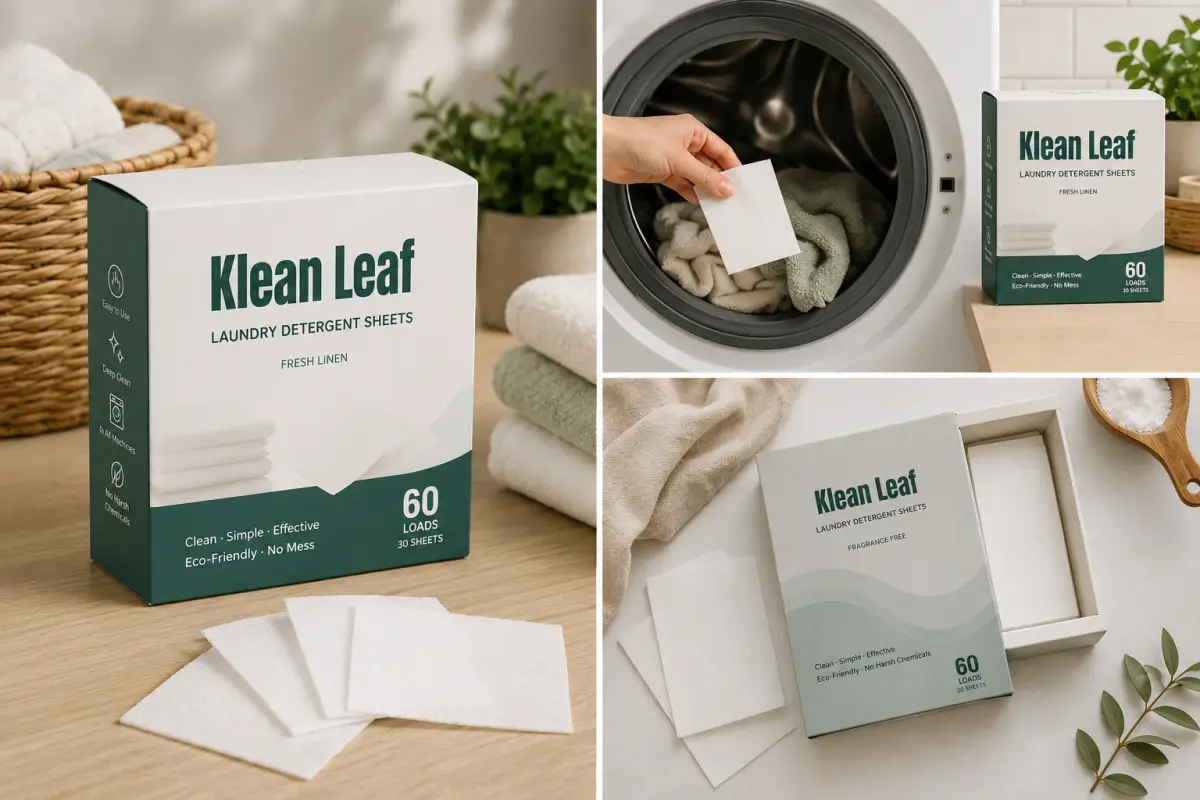
Laundry detergent sheets look simple when you open the package. They are thin, light, easy to tear, and easy to store.
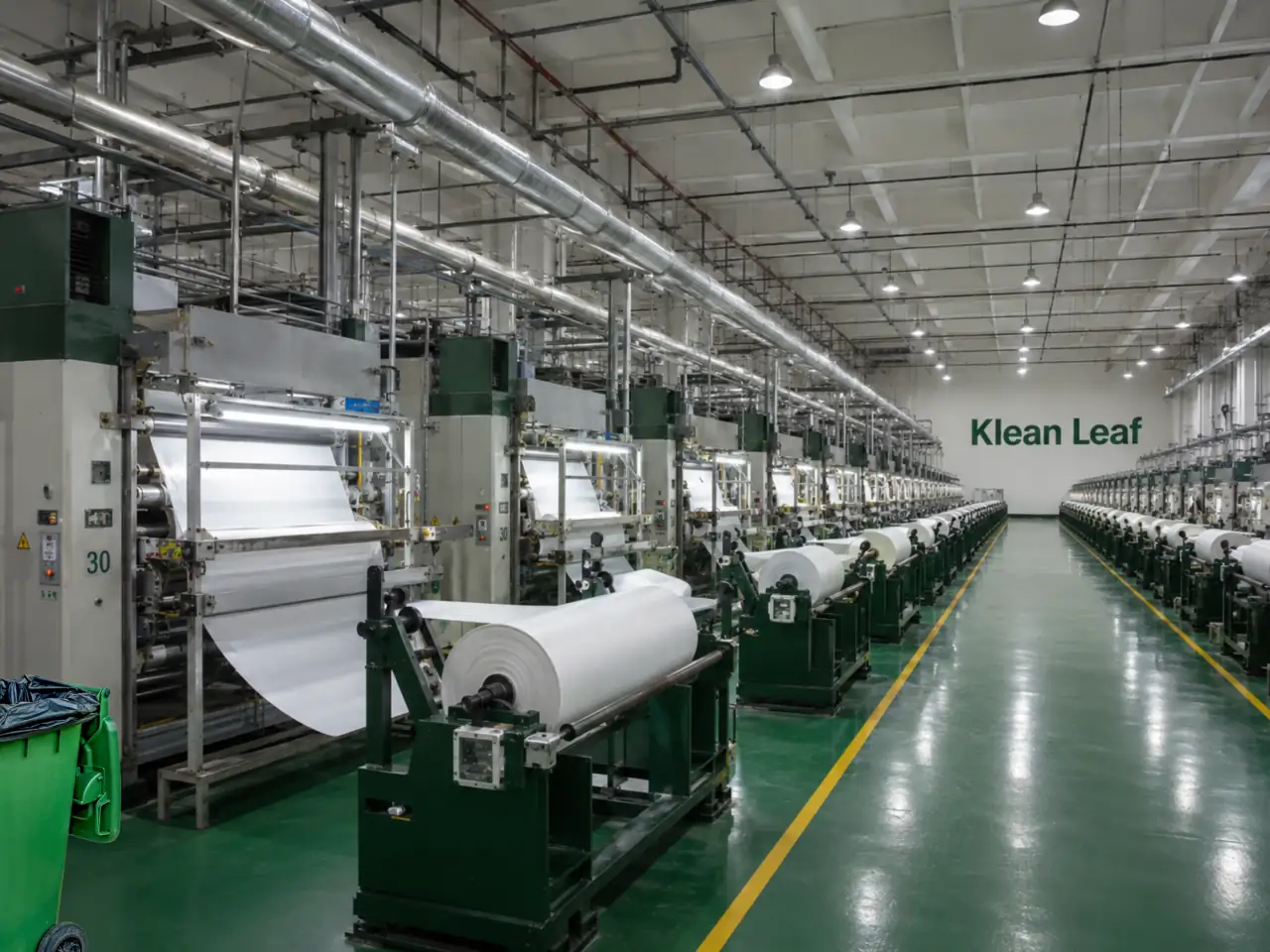
But behind that small sheet, there is a real manufacturing process. It is not just detergent powder pressed into paper, and it is not a fully automatic process where everything comes out finished without human work.
At Klean Leaf, we want to be open about how laundry detergent sheets are made, what goes into production, and why our current products are made in China instead of being marketed as “Made in USA.”
It Starts With the Formula
The first step is the formula.
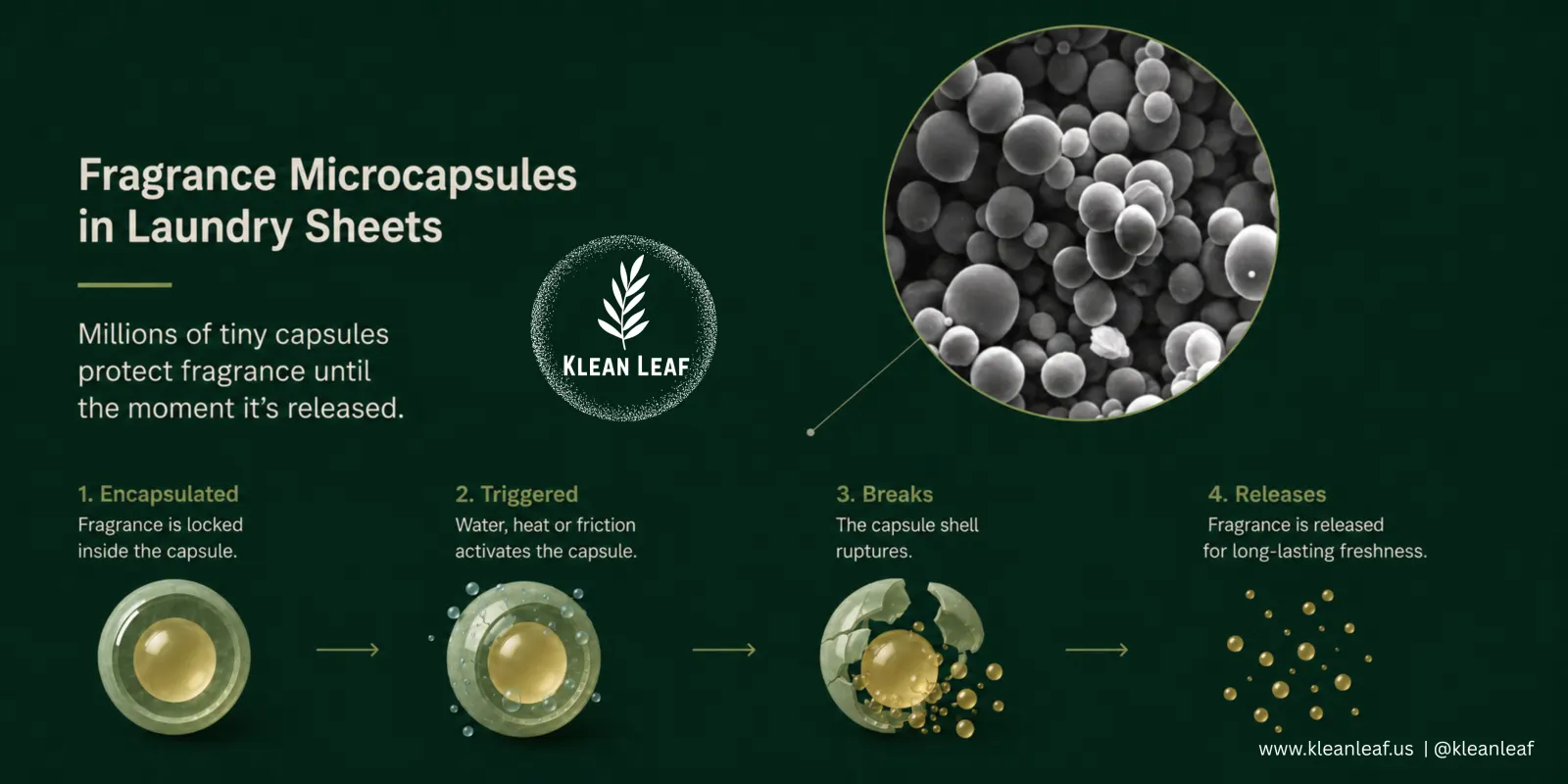
Different brands want different things. Some want a strong cleaning formula. Some want fragrance-free. Some want a baby or sensitive-skin direction. Some care more about scent, softness, or how fast the sheet dissolves.
Before production starts, the ingredients need to be measured and blended into a detergent mixture that can later become a flexible sheet. The formula has to clean well, dissolve properly, stay stable in storage, and still feel good enough for customers to use.
That balance is not always easy.
A sheet that is too dry may crack. A sheet that is too soft may be hard to pack. A sheet that smells great at first may not hold fragrance well after a few months. These are the details that have to be tested and adjusted during production.
From Liquid Mixture to Detergent Sheet
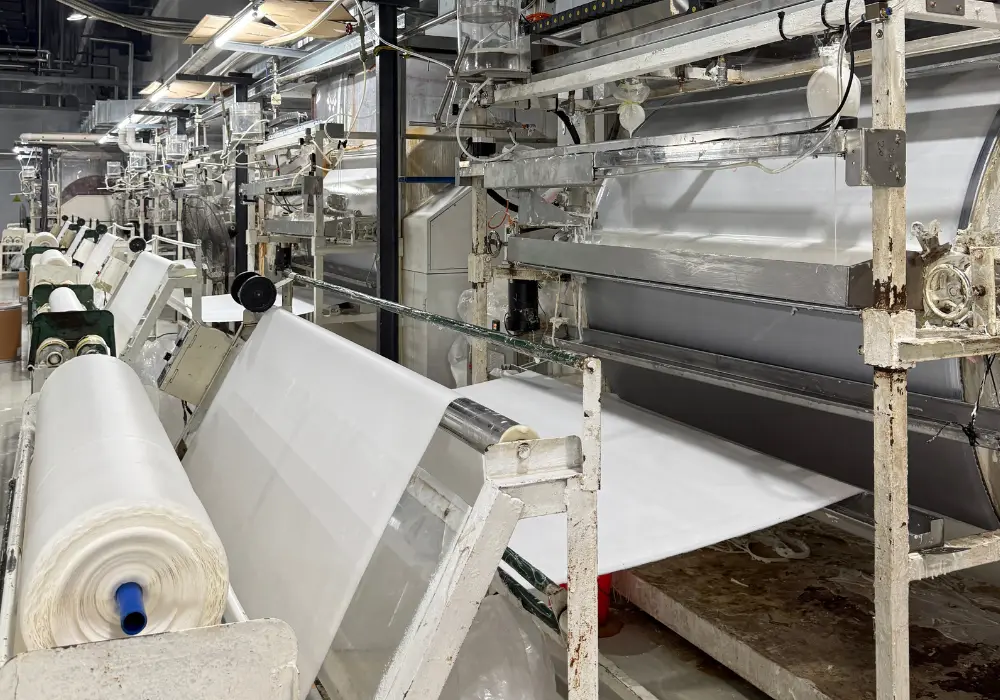
After the formula is mixed, the detergent mixture is spread into a thin layer. Then it goes through drying and sheet formation.
This is where the product begins to look like the laundry sheets people recognize.
Thickness, moisture level, surface texture, and flexibility all matter. If the sheet is not even, the final product will not feel consistent. If the sheet is too brittle, it can break during cutting or shipping. If it is not dry enough, it can affect storage and packaging.
This is why experienced production workers are still important. Machines help with the process, but people still need to watch the details.
Cutting, Perforation, and Sheet Size
Once the sheet is formed and dried, it needs to be cut to the right size.
Many brands also want a perforation line, so one sheet can be torn into two smaller pieces. This allows the brand to position the product as one full sheet for a larger load, or half a sheet for a smaller load.
That sounds simple, but the perforation has to be right. It should tear easily when the customer wants it to, but it should not fall apart inside the package.
Packaging Is More Manual Than People Think
Packaging is one of the most labor-heavy parts of laundry sheet production.
Different private label brands may use different counts, scents, box styles, envelope packaging, paper bags, or bulk refill cartons. Some packages need 30 sheets. Some need 50 sheets. Some need 60 loads. Some need fragrance-free and fresh linen packed separately. Some need samples, display cartons, or special carton arrangements.
Because of that, the process is not fully automated.
Workers still help count, check, sort, place, seal, inspect, and pack the finished goods. They also check the package appearance, sheet condition, scent separation, carton labels, and shipping details.
This labor is not a weakness. It is part of how customized private label production works.
Why We Are Not “Made in USA” Yet
We know “Made in USA” is attractive. Many customers like it, and many brands want to use it in their marketing.
But we do not want to use that phrase unless the product truly qualifies.
Right now, our laundry detergent sheets are made in China. The reason is simple: the sheet-forming equipment, raw material supply chain, packaging vendors, trained workers, and production experience are already mature there.
To make the same type of laundry sheet in the U.S. at the same level of cost, quality, flexibility, and packaging customization would require a serious investment in equipment, materials, labor training, and supply chain setup.
Maybe that will be possible in the future. We are open to it. But until then, we would rather be honest.
Why We Care About Country-of-Origin Transparency
The “Made in USA” claim has specific requirements. The FTC says an unqualified “Made in USA” claim generally means the product is “all or virtually all” made in the United States. Federal Trade Commission
Imported products also generally need to be marked with their country of origin unless an exception applies. CBP states that foreign-origin articles entering the United States must be legibly marked with the English name of the country of origin. U.S. Customs and Border Protection
In the laundry sheet market, country-of-origin can sometimes become confusing. A brand may be based in the U.S., sell from a U.S. warehouse, or handle part of the packaging domestically, while the actual detergent sheets are still manufactured overseas.
We are not here to criticize other brands. Every company has its own supply chain.
But as a manufacturer and private label supplier, Klean Leaf wants to be clear. If the sheets are made in China, we say they are made in China. If a product is only packed, labeled, or distributed in the U.S., that is different from being fully made in the U.S.
Transparency Is Better for Long-Term Business
For us, transparency is not only about compliance. It is also about trust.
Private label buyers need accurate information before they launch a product. Retailers need to know what they are buying. Amazon sellers need to understand labeling and packaging requirements. Customers also deserve clear information.
That is why we are direct about our production process, packaging options, lead time, formula choices, and country of origin.
Laundry detergent sheets are a great product category. They are lightweight, easy to ship, space-saving, and convenient for customers. But they should be marketed honestly.
Final Thoughts
Laundry detergent sheet manufacturing takes more work than most people think.
It includes formula preparation, sheet casting, drying, cutting, perforation, inspection, packaging, and carton planning. Some steps are supported by machines, but many parts still require trained workers and hands-on quality control.
Klean Leaf is not claiming our current laundry detergent sheets are made in the U.S. because they are not. They are manufactured in China by an experienced production team.
We believe that being clear about this is the right way to build trust with brands, retailers, and customers.
Buyers comparing locations and supply models can use our 2026 private label manufacturer comparison to build a source-linked shortlist and due-diligence checklist.
If you are looking for private label laundry detergent sheets, Klean Leaf can support formula review, fragrance selection, fragrance-free options, perforated sheet formats, packaging dielines, samples, and bulk production.
Frequently Asked Questions
Where are Klean Leaf laundry detergent sheets manufactured?
Klean Leaf client support is based in Columbus, Ohio, and current laundry detergent sheet manufacturing is handled in China by an experienced factory team.
Why is country-of-origin transparency important for laundry sheets?
Private label buyers need accurate origin information for packaging, retail review, customs, and customer trust before launching a detergent sheet product.
What parts of laundry sheet production require quality control?
Formula mixing, drying, cutting, perforation, scent separation, package appearance, carton labels, and final packing all need quality review.
Can Klean Leaf support custom private label packaging?
Yes. Klean Leaf can support package style selection, dielines, artwork review, package samples, production packing, and carton planning.
Planning to launch your own laundry sheets brand?
Klean Leaf helps brands develop private-label laundry detergent sheets with formula, fragrance, packaging, sampling, and production support.