As we enter 2024, households and laundromats alike are witnessing a quiet revolution driven by a seemingly simple product: laundry detergent sheets. These thin, compact sheets are more than a novel invention—they are part of a broader push toward efficiency and sustainability in the everyday world of laundry. Their rise signals a shift in both consumer behavior and industry standards, with far-reaching implications for environmental responsibility and manufacturing processes.
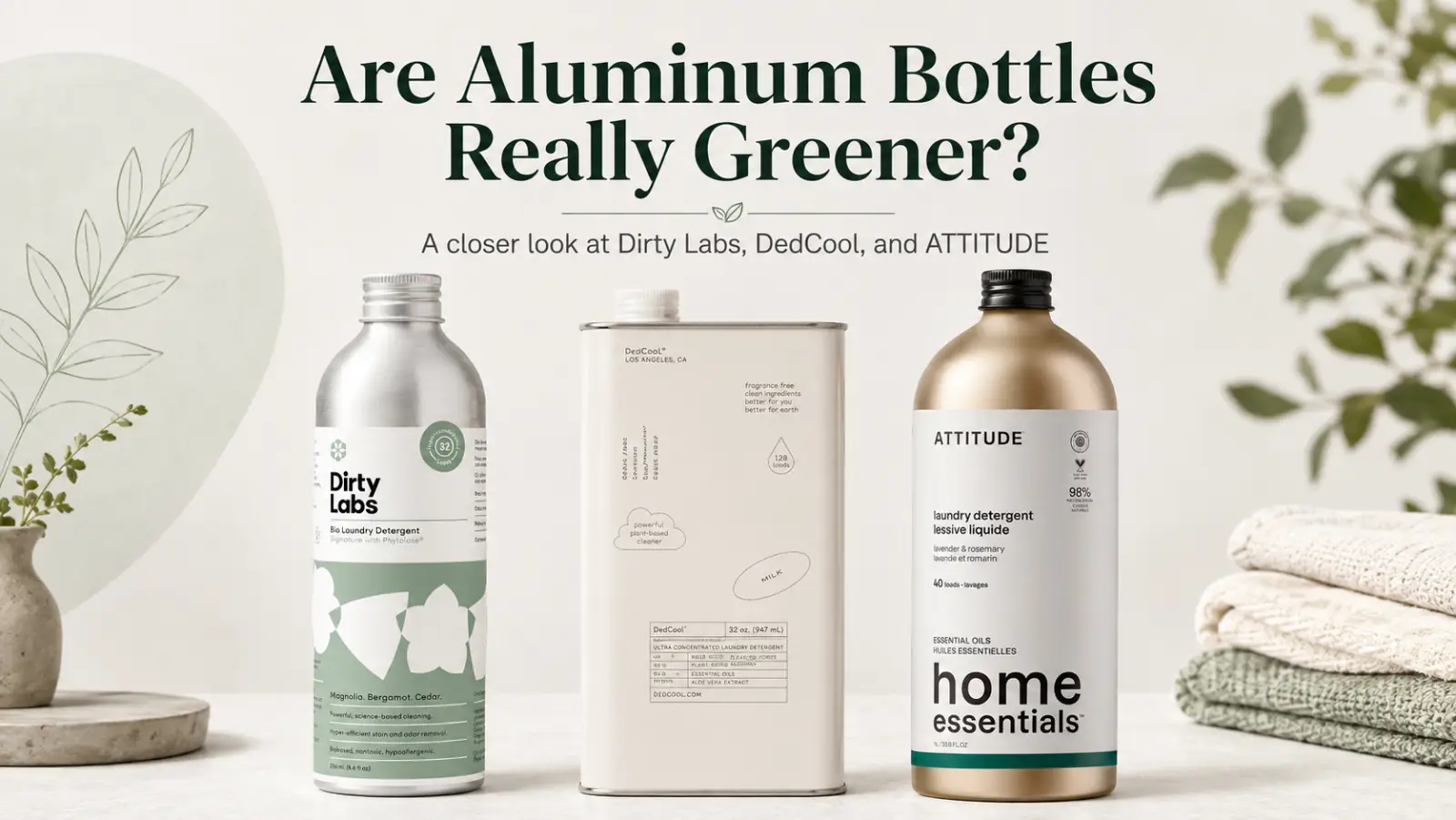
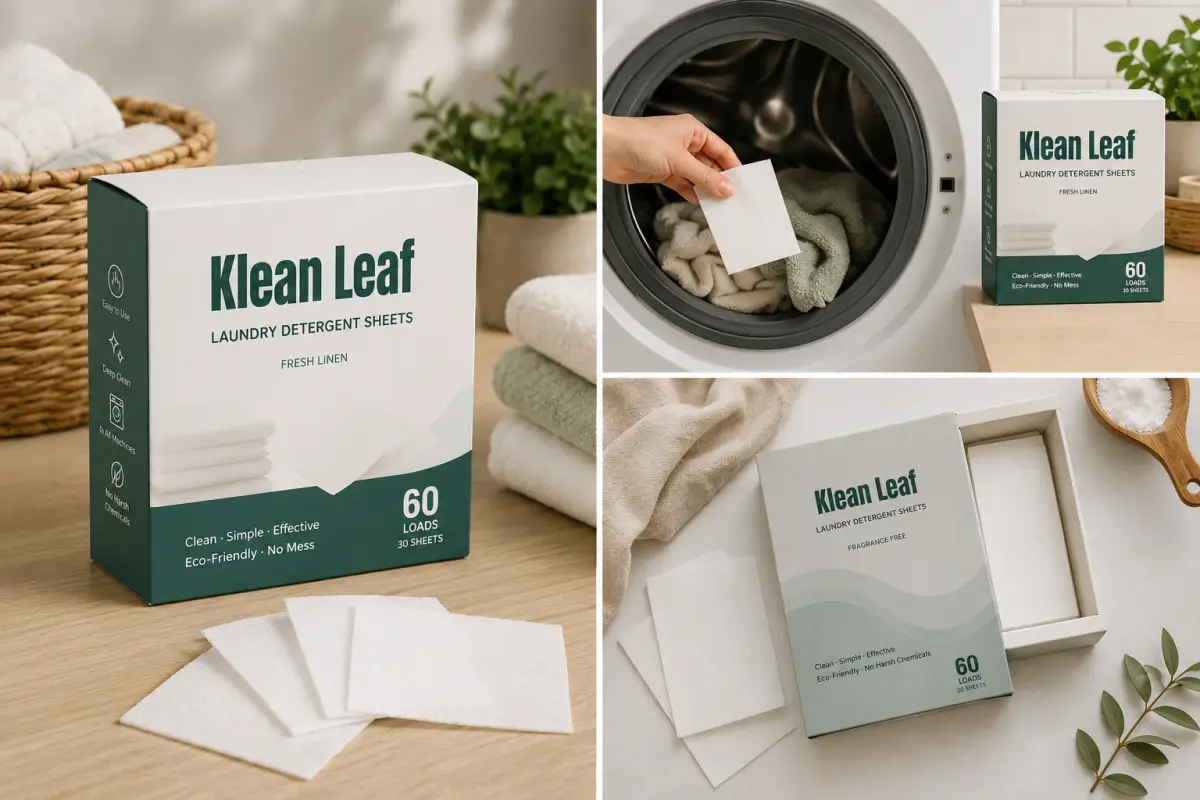
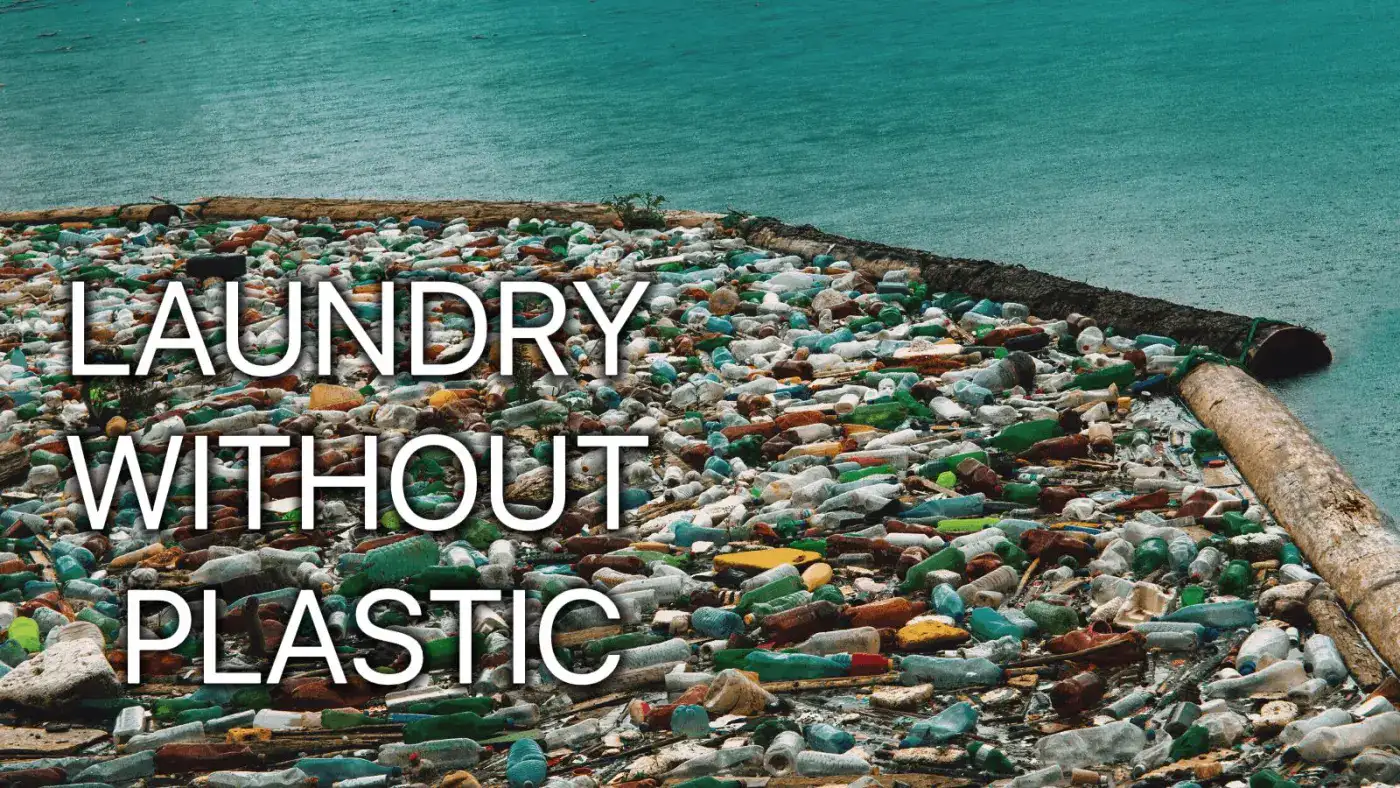
The evolution of laundry detergents has seen a steady progression from powders to liquids, and later, the convenience of pods. However, these products, while effective, come with a significant environmental cost—namely, the plastic packaging that lingers long after the wash cycle ends. Enter detergent sheets. These innovative sheets are compact, water-soluble, and compatible with paper-based packaging formats. They represent a cleaner, more efficient way of doing laundry, without compromising on performance.

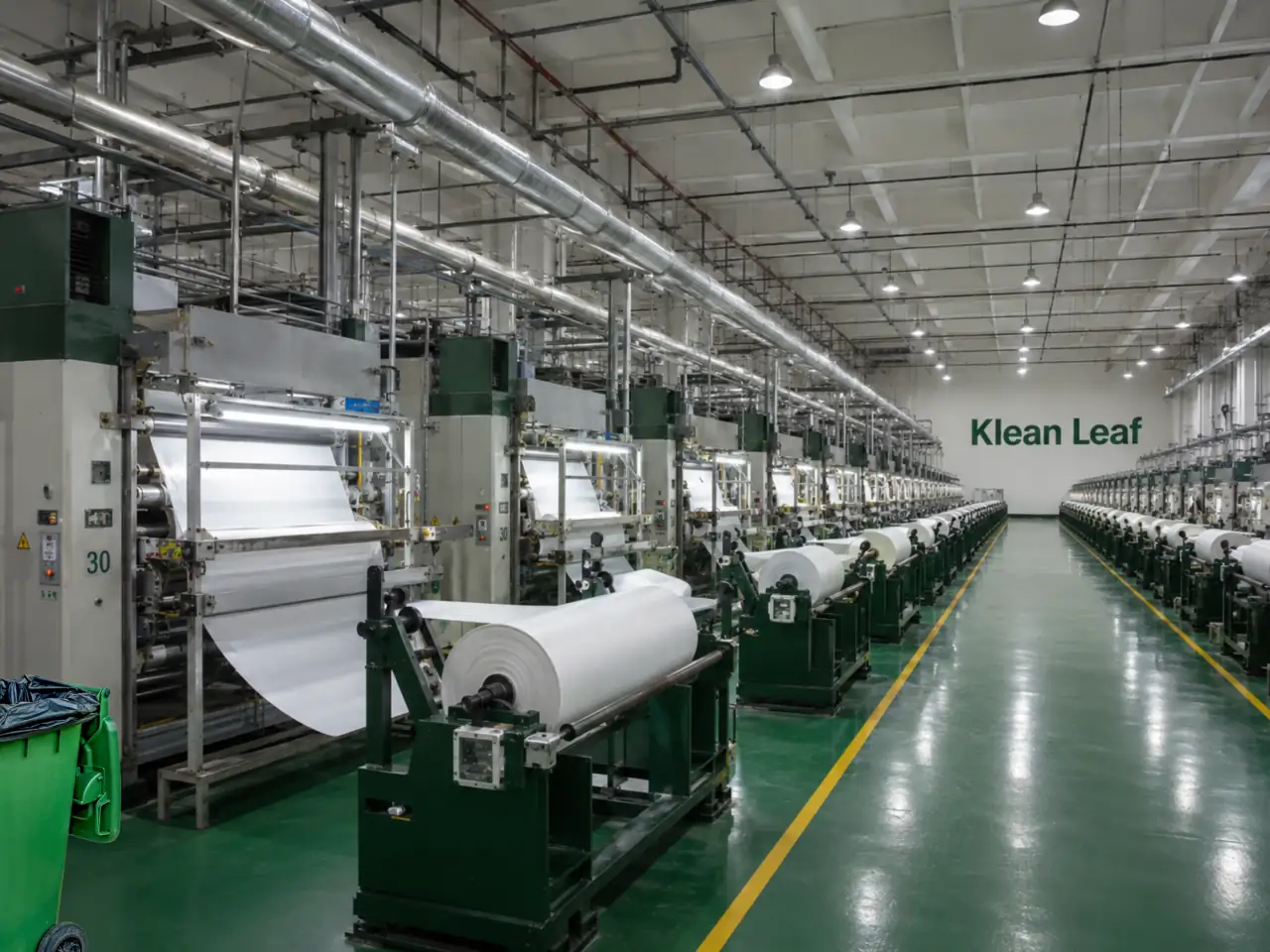
The rise of detergent sheets is not just a consumer preference—it’s reshaping the laundry industry itself. Traditional detergents, which rely on heavy plastic packaging and liquid formulations, are now being challenged by a product that’s lighter, easier to ship, and far less wasteful. With fewer resources required for both production and transportation, detergent sheets reduce the overall environmental footprint of laundry in ways that liquid and powder detergents cannot match.
From a supply chain perspective, detergent sheets simplify logistics. Their compact form reduces shipping weights and storage needs, allowing retailers and distributors to handle larger quantities at a fraction of the space. It’s no surprise, then, that 2024 is seeing a surge in market share for these sheets, with traditional detergent brands scrambling to innovate or catch up.
But the real game changer is the environmental benefit. By dramatically reducing plastic waste and water consumption in production, detergent sheets offer a solution that aligns with growing consumer demand for sustainability. Packaging waste is one of the largest contributors to pollution, and detergent sheets cut this by a significant margin, making them a viable choice for eco-conscious households.
Consumers are also drawn to their ease of use. No more measuring messy liquids or powders—just toss a sheet into the wash and you’re done. They are also cost-effective, with many brands offering competitive pricing compared to traditional detergents when measured by cost per load. As more consumers become educated about the environmental benefits, the adoption rate continues to grow.
Of course, no product is without its challenges. Some users have raised concerns about whether these sheets clean as effectively as traditional detergents, especially for heavily soiled clothes. And while their adoption is growing, detergent sheets are still in the early stages of market penetration, meaning it will take time for them to become mainstream.
Yet, the momentum is undeniable. As consumers increasingly look for ways to reduce their environmental impact, detergent sheets are carving out a strong niche in the marketplace. Their emergence signals a shift not only in the laundry aisle but also in the broader landscape of consumer goods, where sustainability and convenience are no longer mutually exclusive.
As 2024 unfolds, laundry detergent sheets are more than a passing trend—they represent a new standard in how we clean our clothes and, by extension, how we care for our planet. The laundry revolution has only just begun, and as it progresses, it offers a powerful reminder of the impact even small choices can have on a global scale.
By embracing innovations like detergent sheets, consumers are taking a meaningful step toward a cleaner, greener future. The question now isn’t whether these products will stay—but how quickly the rest of the industry will catch up.
Frequently Asked Questions
Do laundry detergent sheets clean as well as liquid detergent?
A well-developed sheet can clean everyday laundry effectively, but performance depends on the formula, active ingredients, load size, water conditions, and dosage instructions.
Why do enzymes matter in laundry detergent sheets?
Enzymes can help target common soils such as body oil, food residue, sweat, and protein-based stains, which can improve real-world cleaning performance.
Can brands choose different laundry sheet formulas?
Yes. Klean Leaf can review fragrance-free, scented, enzyme-supported, low-PVA, PVA-free, and other formula directions depending on the project.
Should brands test laundry sheet samples before ordering?
Yes. Sample review helps buyers compare sheet feel, dissolving behavior, fragrance, cleaning expectations, and packaging direction before production.
Build your private label laundry sheet line
Work with Klean Leaf on private label laundry detergent sheet manufacturing, from formula and fragrance to packaging, samples and production.